
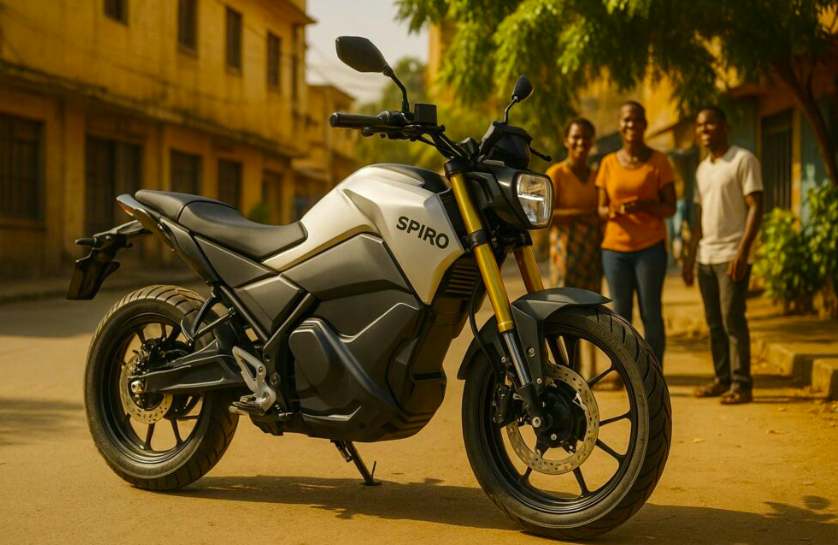
The electric vehicle (EV) revolution isn't a distant dream anymore—it's happening right here, in Africa. And Kenya is fast becoming one of the movement’s key players. As African cities grapple with pollution, fuel costs, and traffic congestion, one company is quietly changing the game: Spiro.
With a fresh $63 million funding injection and big plans for local manufacturing, Spiro is positioning itself as the heartbeat of Africa’s two-wheeled electric future. But what does that mean for Kenya? Let’s break it down.
Inside Spiro’s $63 Million Investment
Purpose of the Funding
The recent funding—secured via a loan from Société Générale and GuarantCo—is no ordinary capital raise. It’s a vote of confidence in Spiro’s mission to electrify Africa. This money will go toward:
-
Deploying 15,700+ new electric motorbikes
-
Rolling out 31,400 batteries
-
Installing 1,000+ battery swap stations across Africa
These upgrades will significantly boost Spiro’s ability to reach its 2030 goal: 2 million electric motorbikes on the road.
Kenya Takes Center Stage
Assembly Plant Plans for 2025
Kenya is a key strategic location for Spiro. The company has confirmed that it will open a local electric motorcycle assembly plant in 2025, slashing production costs and speeding up deployment.
Local Job Creation and Skills Development
More than 1,000 jobs are expected to emerge from Kenya’s assembly plant and battery swap network—many in mechanics, operations, logistics, and EV maintenance.
Women in E-Mobility: The First All-Women EV Assembly Line
In a bold move for gender inclusion, Spiro launched Africa’s first all-women EV assembly line in Kenya. The goal? Have at least 30% of all tech and operational roles filled by women.
The Power of Battery Swapping
How Spiro’s Battery Swapping Technology Works
Instead of plugging in and waiting, Spiro’s users visit swap stations. In under a minute, they swap a used battery for a fully charged one—no downtime, no stress.
Convenience and Speed
With 600+ swap stations already active across Africa, including dozens in Kenya, Spiro is eliminating “range anxiety” for motorbike riders.
Cost Savings for Riders and Operators
Spiro’s swap model can cut operational costs by up to 50%, allowing riders—especially boda boda operators—to earn more and spend less.
Benefits for Riders and Urban Communities
-
Daily profit boost: Riders can make up to 50% more than they would using fuel-powered bikes.
-
Less maintenance: Fewer moving parts means less repair downtime.
-
Flexible subscriptions: Insurance, maintenance, and unlimited battery swaps—rolled into one affordable monthly fee.
Environmental and Climate Impact
32,000+ Tons of CO₂ Already Offset
That’s how much emissions Spiro has helped avoid—equivalent to taking thousands of cars off the road.
Cleaner Urban Air
Less smoke, fewer fumes. With Nairobi choking on vehicular emissions, Spiro’s solution comes as a breath of fresh air.
Expansion Across Africa
Beyond Kenya, Spiro is growing fast:
-
Benin and Togo: Plans to serve over 400,000 riders.
-
Cameroon: Already live with initial fleets and stations.
-
Uganda, Rwanda, Nigeria, and Tanzania: All part of the rapidly growing ntwork.
Spiro’s Impact on Africa’s EV Supply Chain
By investing in local component manufacturing, Spiro is building an ecosystem—not just a company. That means:
-
Kenyan suppliers get contracts
-
Assembly jobs stay in Africa
-
Import dependence drop
Comparing Electric vs. Fuel-Powered Motorbikes
Feature Electric (Spiro) Fuel-Powered Refueling time < 1 min (swap) 5+ mins Cost per km Low High Maintenance Minimal Frequent servicing Emissions Zero High CO₂ Total ownership cost 30–40% less Higher Noise Quiet NoisyEconomic Empowerment and Gender Inclusion
Through Spiro Academy, youth and women in Kenya are learning battery diagnostics, maintenance, and e-bike repairs—future-ready skills in a growing sector.
The Role of EV24.africa in Africa’s EV Boom
EV24.africa is accelerating e-mobility adoption by making EVs accessible in all 54 African countries. They offer:
-
Brands like BYD, Tesla, Leapmotor, Suzuki
-
Full delivery and after-sales support
-
Affordable financing
In Rwanda, EV24.africa helped grow the electric fleet from 19 to 512 in just four years.
How AUTO24 Supports Kenya’s EV Ecosystem
To browse affordable electric motorcycles or reliable second-hand options, visit AUTO24.co.ke—a trusted Kenyan marketplace.
You’ll find models like:
-
Leapmotor T03
-
Ekon Electric Motorbike
-
BYD Dolphin
Check out more options at AUTO24: https://auto24.co.ke/
Spiro and Government Partnerships
Kenya’s e-mobility policy environment is evolving. Spiro works closely with:
-
National transport agencies
-
Energy stakeholders
-
Local governments
These partnerships are vital for scaling battery stations and ensuring public acceptance.
Challenges and Opportunities in the African EV Market
Challenges
-
Inconsistent grid power
-
Limited public awareness
-
Upfront costs
Opportunities
-
Solar-powered swap stations
-
Micro-financing for riders
-
Green entrepreneurship programs
Conclusion – What’s Next for Spiro and Kenya’s Green Future
Spiro’s vision isn’t just about bikes—it’s about building a cleaner, more inclusive future for Africa. With local production, gender-inclusive hiring, and climate-smart infrastructure, Spiro is well on track to deploy 2 million electric bikes by 2030.
In Kenya, this movement means more jobs, cleaner air, and better income for riders. Combined with platforms like AUTO24.co.ke and EV24.africa, the continent’s electric mobility future looks not just possible—but inevitable.
FAQs
1. What makes Spiro’s battery swap tech different?
It’s fast, easy, and reliable—no need to wait for hours to charge. Just swap and ride.
2. Will electric motorcycles be affordable for most Kenyans?
Yes. Spiro offers financing, flexible subscriptions, and lower running costs compared to petrol bikes.
3. How does Spiro ensure job creation in Kenya?
Through local assembly plants, battery swap station operations, and Spiro Academy’s training programs.
4. What role does EV24.africa play in vehicle accessibility?
They deliver electric vehicles across Africa, offer after-sales support, and connect buyers with financing options.
5. Where can I buy a second-hand electric motorbike in Kenya?
AUTO24.co.ke is the go-to platform for verified, affordable second-hand EVs in Kenya.