
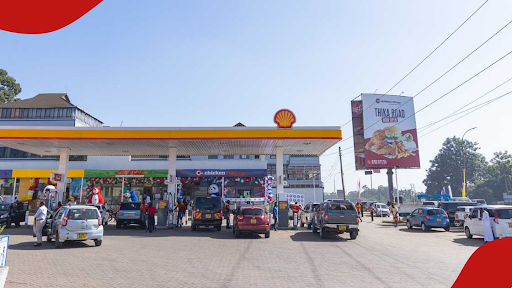
The streets of Nairobi, Mombasa, and Kisumu were filled with protests today, May 18, 2026, as angry citizens and motorists took to the streets to demonstrate against the Energy and Petroleum Regulatory Authority (EPRA). This comes after EPRA released its latest monthly fuel price review, pushing pump prices to historic highs.
The Energy and Petroleum Regulatory Authority (EPRA) announced record-high petroleum pump prices effective from May 15 to June 14, 2026. Under the new review, Super Petrol increased by KSh 16.65, retailing at KSh 214.25 per litre in Nairobi. Diesel increased sharply by KSh 46.29, reaching a staggering KSh 242.92 per litre in Nairobi. For the average Kenyan driver, this announcement is a massive blow to an already strained pocket. Running a vehicle in Kenya has become an expensive venture, forcing many to reconsider their daily commuting habits and vehicle choices.
Why Kenyans are Protesting the New EPRA Prices
The latest directive from EPRA has seen the price of Super Petrol and Diesel spike by unprecedented margins, with the massive jump in diesel costs hitting commercial transport hardest. Motorists argue that the continuous rise in fuel costs is driving up the cost of living, raising public transport fares (matatu fares), and inflating the prices of basic household commodities.
Protesters, including digital taxi drivers, long-distance truckers, and private car owners, converged outside EPRA offices and major highways. They are demanding a subsidy cushion or a immediate revision of the heavy taxes levied on petroleum products to lower the pain at the pump.
The True Cost of Car Ownership Under New Fuel Regimes
With petrol crossing the KSh 214 mark and diesel soaring past KSh 242, the type of car you drive now dictates your financial freedom. Fuel efficiency is no longer just a feature on a brochure; it is a survival mechanism. If you are commuting daily in a high-consumption vehicle, your monthly fuel bill might soon rival your rent.
To stay updated on how these economic shifts affect the local transport sector, you can always visit automag.co.ke, the main website with the latest automotive news, car reviews, driving tips, and travel guides tailored for Kenyan drivers and enthusiasts. Keeping an eye on industry trends will help you make informed decisions before buying your next ride.
Practical Fuel-Saving and Car Care Tips for Kenyan Drivers
While we wait to see if the government will heed the cries of demonstrators, drivers must adopt practical habits to squeeze every kilometer out of a litre of fuel. Proper vehicle maintenance is the easiest way to combat high pump prices.
-
Maintain Correct Tire Pressure: Under-inflated tires increase rolling resistance, making your engine work harder and consume more fuel. Check your pressure weekly.
-
Service Your Engine Regularly: Dirty air filters and worn-out spark plugs degrade engine efficiency. A well-tuned engine runs smoother and consumes less.
-
Drive Smoothly: Avoid aggressive acceleration and sudden braking. Progressive acceleration saves a significant amount of fuel in urban traffic jams.
-
Lighten the Load: Clean out your boot. Carrying unnecessary weight forces your car to burn extra fuel just to move around.
Read more here on our platform to discover additional tips on how to cut down on daily running costs.
Is it Time to Switch to Fuel-Efficient Used Cars?
Given the current economic climate, many Kenyans are ditching gas-guzzling SUVs for highly economical hatchbacks and compact sedans. Buying a reliable pre-owned vehicle with a small engine displacement (1.0L to 1.5L) has become the smartest financial move.
To find second-hand cars suitable for these conditions, check out auto24.co.ke, a premier site for buying second-hand cars in Kenya. On the AUTO24 local site, you will frequently spot highly fuel-efficient options such as the Toyota Vitz, Mazda Demio, Honda Fit, and Nissan Note. These models are highly resilient in Kenyan traffic and offer excellent mileage, making them perfect shields against EPRA’s aggressive price hikes.
Looking to the Future: The Alternative to Petrol and Diesel
As traditional fuel prices become completely unsustainable, the conversation is rapidly shifting toward alternative energy sources. The modern Kenyan motorist is beginning to look beyond internal combustion engines entirely to avoid the monthly anxiety of EPRA announcements.
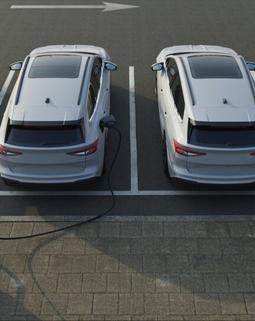
For drivers looking to explore sustainable mobility, EV24.africa offers import options for electric cars, expanding choices in a market that desperately needs relief from volatile oil prices. Transitioning to an electric vehicle (EV) means completely bypassing the petrol station, offering long-term savings that protests alone cannot guarantee.
For comprehensive deep-dives into how electric mobility is shaping East Africa, check out autoskenya.com, an external website with the latest automotive news, car reviews, driving tips, and travel guides tailored for Kenyan drivers and enthusiasts.
Final Thoughts
The demonstrations on 18th May 2026 highlight a breaking point for Kenyan consumers. As citizens voice their frustrations on the streets, the reality remains that managing your automotive expenses requires a strategic approach. Whether it is through rigorous car maintenance, upgrading to a fuel-efficient used car from auto24.co.ke, or making the ultimate leap to electric vehicles via EV24.africa, taking control of your mobility choices is more critical than ever.