

Buying your first car in Kenya is exciting—but it can also be overwhelming. With so many options, dealers, and unfortunately, scammers out there, it's easy to make costly mistakes. Let’s break it down so you don’t just buy a car—you make a smart investment.
Understanding the Car Buying Process in Kenya
Overview of Kenya’s Car Market
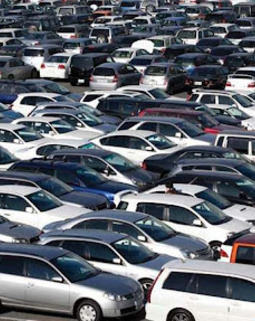
Kenya’s auto market is dominated by used cars, especially imports from Japan. Brands like Toyota, Nissan, Honda, and Subaru are common because they’re affordable and reliable.
New vs. Used Cars – What’s Right for You?
First-timers often lean toward used cars because they’re cheaper. That’s fine—but be smart about it. New cars offer peace of mind, warranties, and fewer surprises, while used ones are budget-friendly but risky without proper vetting.
Common First-Time Buyer Mistakes
-
Falling for flashy ads without checking the vehicle
-
Ignoring hidden costs
-
Rushing into a deal out of excitement
Budgeting for Your First Car
Determine Total Cost of Ownership
Don’t just budget for the purchase price. Consider:
-
Insurance
-
Fuel
-
Maintenance
-
Spare parts
-
Annual registration fees
Tips to Avoid Overpaying
-
Always compare similar models
-
Use platforms like auto24.co.ke to check average prices
-
Ask for full breakdown of all fees upfront
Watch Out for Hidden Costs
That sweet deal could come with:
-
Unpaid taxes
-
Pending fines
-
Incomplete import documents
Researching the Right Car for Your Needs
Lifestyle and Usage Considerations
Live in Nairobi? You’ll want a compact car with good fuel economy. Upcountry? A sturdy 4x4 might suit you better.
Fuel Economy and Maintenance
Choose models known for fuel efficiency and cheap parts—like the Toyota Vitz, Honda Fit, or Nissan Note.
Safety and Resale Value
Look for cars with airbags, ABS, and good crash ratings. And consider resale value—a car that’s easy to sell later is a smart buy now.
Spotting and Avoiding Common Scams
Fake Listings and Ghost Sellers
If it sounds too good to be true—it probably is. Be wary of:
-
Sellers asking for a deposit before viewing
-
Unrealistically low prices
-
Urgent sales with vague stories
Odometer Rollbacks and Tampering
Some sellers tamper with mileage to boost the car’s value. Get a second opinion from a trusted mechanic or use services that verify mileage.
Dubious Import Deals and Clearing Tricks
Avoid anyone who tells you “the car is at Mombasa port and just needs clearing.” Many victims never see the car—or their money—again.
Choosing a Trustworthy Seller
Dealership vs. Private Sellers
Dealerships offer more protection, warranties, and documentation. Private sellers are often cheaper—but come with more risk.
Using Verified Platforms
Always use reputable sites. For example:
-
autoskenya.com for reviews, tips, and news
-
automag.co.ke for Kenyan auto insights
-
auto24.co.ke for verified listings with filters to suit your needs
Why auto24.co.ke is a Safer Option
You can browse real-time listings of popular models like the Toyota Axio, Mazda Demio, and Subaru Impreza. All cars listed are vetted and come with seller details, prices, and sometimes financing options. It’s safer than relying on Facebook or random WhatsApp forwards.
Inspecting the Car Before Buying
What to Check During a Test Drive
-
Listen for strange noises
-
Test acceleration, braking, and turning
-
Check air conditioning, lights, and electronics
Documents to Request and Verify
-
Logbook
-
NTSA records
-
Car importation documents (if imported)
-
Service history
Role of a Trusted Mechanic
Don’t skip this. Even if the seller swears the car is “perfect,” get a second opinion.
Understanding Ownership and Transfer Procedures in Kenya
NTSA Transfer Process
Use NTSA’s TIMS platform for digital logbook transfer. It’s quick, secure, and traceable.
Logbook Verification and TIMS
Before making payment, confirm ownership on the TIMS portal. Scammers often fake logbooks or try to sell cars not in their name.
Insurance Requirements
You must insure your car to get on the road. Start with third-party, then upgrade to comprehensive when ready.
Negotiating Like a Pro
Know the Market Value
Check average prices on auto24.co.ke to avoid being overcharged.
Don’t Rush – Use Leverage
Point out flaws to negotiate price. Be firm and walk away if it doesn’t feel right.
When to Walk Away
-
Unclear paperwork
-
Seller refuses inspection
-
Car seems too cheap
Financing Your First Car
Car Loans vs. Sacco Financing
Banks offer auto loans but with strict conditions. SACCOs are more flexible but vary widely.
Avoiding Loan Traps
Don’t let low monthly payments blind you. Check the total repayment cost over time.
Understanding Interest Rates and Terms
Compare at least three institutions. Watch out for flat vs. reducing balance interest methods.
Registering and Insuring Your Car in Kenya
Mandatory Third-Party vs. Comprehensive
Third-party insurance is the legal minimum. But comprehensive gives you peace of mind in case of accidents or theft.
Cost of Annual Registration
Depends on engine size, age, and type of vehicle. Set aside extra for the yearly renewal.
Penalties for Late Renewals
The NTSA fines can add up. Mark your calendar for annual compliance.
What to Expect After the Purchase
First 30-Day Maintenance Tips
-
Oil change
-
Tire inspection
-
Brake system check
-
Replace air and fuel filters
Registering on NTSA TIMS
It’s not just about buying the car—you must register your new ownership to avoid legal headaches.
Joining Car Enthusiast Forums in Kenya
Places like Facebook groups and auto forums help you stay informed, get maintenance advice, and maybe even new deals.
Red Flags That Should Make You Walk Away
Pressure to Pay Immediately
Anyone rushing you into payment is suspicious. Take your time.
Vague Documentation
If documents don’t match the seller’s ID or logbook—leave.
Too-Good-to-Be-True Prices
No, you can’t get a 2015 Subaru Forester for KSh 450,000. Be realistic.
Useful Resources and Trusted Sites
-
✅ autoskenya.com – Trusted automotive news and guides
-
✅ automag.co.ke – For Kenyan auto tips and reviews
-
✅ auto24.co.ke – Safe place to buy second-hand cars
Summary: Buy Smart, Stay Safe
Buying your first car in Kenya is a big deal—but it doesn’t have to be a scary one. With research, the right resources, and a sharp eye for scams, you can drive away with confidence. Always remember: when in doubt, slow down, ask questions, and don’t let anyone pressure you. It’s your money—spend it smart.
FAQs
1. What’s the best budget car for beginners in Kenya?
Popular beginner-friendly models include the Toyota Vitz, Mazda Demio, and Nissan Note. They’re affordable, fuel-efficient, and easy to maintain.
2. How do I confirm a car's registration status?
Use the NTSA TIMS platform to verify ownership and vehicle records.
3. Is buying from a dealer safer than a private seller?
Yes. Dealers are more likely to provide proper documentation and warranties.
4. What documents are mandatory when buying a car in Kenya?
You’ll need the logbook, NTSA transfer confirmation, insurance certificate, and sometimes importation records.
5. Can I buy a car online safely in Kenya?
Yes, but only on trusted platforms like auto24.co.ke. Always verify the seller and avoid paying before inspection.