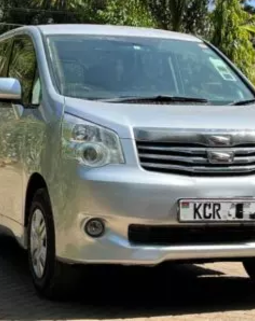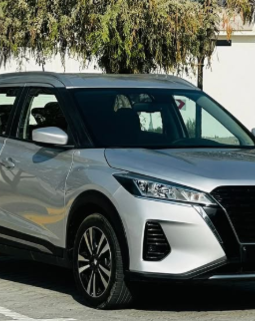


The Kenyan used car market is expected to remain highly competitive in 2026, driven by factors like expanding online platforms, rising consumer confidence, and the increasing availability of hybrid and used EV imports. As a seller, simply listing your car isn't enough; you need a strategic approach to negotiate the best price and secure a quick sale.
This guide provides Kenyan car owners with professional, data-backed negotiation tactics to attract serious buyers, justify a higher asking price, and successfully close the deal in this bustling market.
1. Preparation is Power: Pricing and Presentation
Your ability to negotiate effectively starts long before you meet the buyer. A well-presented and accurately priced car is a massive advantage.
1.1. Strategic Pricing and Market Research
Never guess your car's value. In a market saturated with popular Japanese imports like the Toyota Vitz, Mazda Demio, and Subaru Forester, competitive pricing is essential.
-
Determine Fair Market Value: Search platforms like auto24.co.ke to find models identical to yours. Factor in the year of manufacture, genuine mileage, and overall condition. For example, check the price range for a 2018 Toyota Premio with similar mileage.
-
Set the Negotiation Buffer: Price your vehicle slightly higher than your absolute minimum—ideally 5-10% above the fair market average. This buffer accommodates the expected Kenyan culture of haggling while still positioning your car competitively.
-
Highlight Unique Value: Does your car have full dealer service history? New tyres? A desirable factory option like a sunroof or leather seats? These features justify the higher end of the price spectrum.
1.2. Presentation that Justifies the Price
A buyer’s first impression determines whether they take your price seriously.
-
Professional Detailing: A deep clean is non-negotiable. This includes exterior washing and waxing, meticulous interior vacuuming, and cleaning the engine bay to signal responsible maintenance.
-
High-Quality Listing Photos: Take clear, well-lit photos of the exterior from all angles, the dashboard, clean seats, the boot, and, crucially, a photo of the odometer showing the current mileage.
-
Organise Paperwork: Have the original logbook, a signed sale agreement template, and, most importantly, all service and maintenance records ready. Transparency builds trust and minimizes negotiation points. You can discover additional tips on prepping your car for a fast sale from our expert advice on autoskenya.com.
2. Mastering the Negotiation Conversation
Once a serious buyer is interested, your communication skills and confidence become the key tools.
2.1. Handling the Initial Offer (The Lowball)
Kenyan buyers are skilled negotiators and will often open with a very low offer (a "lowball") to test your resolve.
-
Don't React Emotionally: Never appear desperate or insulted. Respond calmly and assertively.
-
Refer to Market Data: Counter their offer by immediately anchoring your price to the researched market value. For example: “I appreciate your offer, but similar models in this condition are currently listed between KES 1.2M and KES 1.4M. My price of KES 1.35M reflects its excellent service history and low mileage.”
-
Let the Buyer Move First: In many instances, it is best to allow the buyer to make the first monetary offer, as this gives you a baseline for their expectations.
2.2. Leveraging the Pre-Purchase Inspection (PPI)
A serious buyer will request a mechanic inspection. This is an opportunity, not a threat.
-
Encourage the Inspection: Offer to meet at a reputable, independent garage. This shows you have nothing to hide.
-
Pre-emptive Fixes: Before listing, fix any obvious, low-cost issues (e.g., small dents, worn wipers). This removes common leverage points buyers use to demand discounts.
-
Negotiating Based on PPI: If the mechanic finds a minor fault (e.g., worn shock absorbers), be ready to meet the buyer halfway on the repair cost, rather than dropping the price by the full repair amount. This maintains the integrity of your overall price.
3. Closing the Deal: Setting Terms and Security
A successful negotiation must end with a secure, legal transaction. This protects you from disputes and fraud.
3.1. Setting the Terms of Sale
Be clear about your final position and the payment mechanism from the outset.
-
Payment Method: Insist on a bank transfer or a banker's cheque. Never accept cash for large amounts, as this is unsafe and hard to trace.
-
The Logbook and Transfer: Make it absolutely clear that the original logbook and the vehicle keys will only be handed over after the full payment has cleared and the NTSA Transfer of Ownership process has been initiated and accepted by both parties. This is the crucial legal protection for the seller.
-
Sales Agreement: Ensure both parties sign a written Sale Agreement detailing the VIN, registration number, final price, and payment method. This document is your legal safety net. For key legal advice on this process, refer to specialized guides on sites like automag.co.ke.
3.2. Adding Non-Monetary Value (The Final Push)
If a buyer is stuck KES 5,000 to KES 10,000 below your minimum price, instead of dropping your price, offer a non-monetary perk to seal the deal.
-
Offer Value-Adds: "I can't go lower than KES X, but I will include a full tank of fuel or pay for the first post-sale oil change."
-
Highlight Documentation: Emphasize the completeness of your records: "The comprehensive service history and clear NTSA status alone are worth the asking price compared to other listings."
By focusing on meticulous preparation, leveraging market data, and maintaining professional control during negotiations, you will stand out in the crowded 2026 market and get the maximum value for your car.
Drive Your Sale Forward
Ready to list your car and put these tactics to use? Share your best negotiation success story in the comments below!