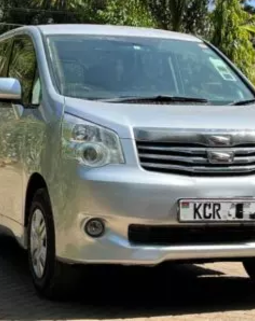

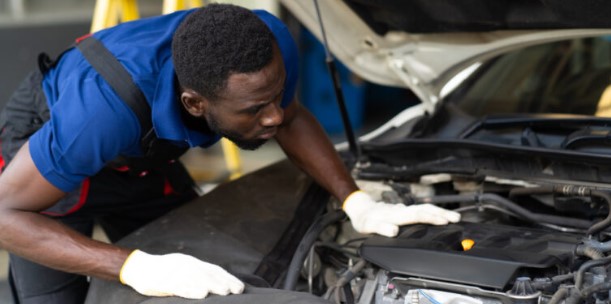
Owning a vehicle in Kenya, whether it's a trusty Toyota Hilux for rough terrain or a commuter Honda Fit for the city, demands a customized maintenance strategy. The combination of varied road surfaces (from smooth highways to rough, dusty paths) and the distinct Kenyan climate (intense dry heat and heavy rainy seasons) places unique and severe stress on your vehicle.
This detailed guide outlines the essential car maintenance intervals and highlights the service priorities tailored specifically to the challenging conditions faced by Kenyan drivers, ensuring maximum reliability and safety year-round.
1. Core Maintenance Schedule: Adjusting for Kenyan Severity
Most manufacturers recommend servicing every 10,000 km. However, the stop-and-go Nairobi traffic, frequent driving on rough, unpaved roads, and extreme dust mean Kenyan driving conditions often qualify as "Severe Service."
1.1. Essential Service Intervals for Kenya
To ensure the longevity of your engine and suspension, it is strongly advised to shorten the manufacturer's recommended service intervals.
Component
Standard (Ideal) Interval
Kenyan Recommended Interval
Priority Focus
Engine Oil & Filter
10,000 km/12 Months
5,000 km or 6 Months
Highest. Dust and heat accelerate oil breakdown.
Air Filter
20,000 km
10,000 km (or check monthly)
Crucial in dusty areas (e.g., Kitengela, Turkana).
Tyre Rotation & Check
10,000 km
5,000 km
Uneven road surfaces cause rapid, irregular tyre wear.
Brake System Check
15,000 km
10,000 km
Heavy city traffic causes faster pad and disc wear.
Export to Sheets
-
Why 5,000 km? Frequent short trips in Nairobi traffic and sustained exposure to dust and high temperatures classify your driving as 'severe'. This environment rapidly contaminates engine oil and depletes its protective additives.
1.2. Major Service and Fluid Priorities
Major services address components crucial for safety and complex performance:
-
Suspension and Shocks: Inspect annually or every 20,000 km. Potholes and uneven roads are notorious for damaging shock absorbers and linkages. Early detection saves huge repair bills.
-
Transmission Fluid: Change every 40,000 km to 50,000 km. Stop-start traffic generates excessive heat, degrading transmission fluid rapidly, especially in automatic and CVT gearboxes.
-
Coolant System Flush: Recommended every 2 years. Prevents rust and buildup in the radiator, essential for preventing engine overheating in the dry, hot season.
2. Seasonal Service Priorities: Preparing for Rain and Heat
Kenya’s distinct weather seasons demand specific pre-emptive maintenance to ensure safe driving and prevent breakdowns.
2.1. Before and During the Rainy Season
The "long rains" bring hazards like reduced visibility, hydroplaning risk, and hidden potholes. Your focus must be on stopping power, visibility, and water resistance.
-
Tyre Tread Depth: Priority 1. Ensure a minimum tread depth of at least 3 mm (legal minimum is 1.6 mm, but 3 mm is safer on wet roads) to channel water and prevent hydroplaning.
-
Wiper Blades and Washer Fluid: Priority 2. Replace any cracked or streaking wiper blades. Check your wiper fluid reservoir and consider using a rain-repellent additive.
-
Brake Inspection: Priority 3. Have brake pads and discs inspected for wear. Wet conditions drastically increase stopping distances, making optimal brakes crucial.
-
Battery and Electrics: Heavy rain can expose weak seals and cause electrical issues. Clean battery terminals (look for white crusty corrosion) and check all exterior lights and indicators for full function.
2.2. During the Hot/Dry Season
Heat and dust are the primary enemies during the dry spell. Your focus shifts to cooling and air filtration.
-
Air Filter Replacement: Highest Priority. Dust clogs the filter quickly, starving the engine of air, which reduces power and rapidly increases fuel consumption. Change your air filter more frequently than the standard schedule if you travel through arid or construction zones.
-
Cooling System Check: Ensure the radiator is clean, coolant levels are full, and hoses show no cracks or bulges. Overheating in traffic is a leading cause of engine damage.
-
Air Conditioning (A/C) Service: The A/C system works hardest during the heat. Check the gas level and clean the cabin air filter to ensure comfortable, cool air and to prevent window fogging during early mornings.
3. Beyond Maintenance: Protecting Your Investment
For Kenyan drivers, especially those who bought a used vehicle, a proactive approach to maintenance maximizes the car's lifespan and preserves its resale value.
-
Underbody Check: After driving on particularly rough or muddy terrain, inspect the vehicle's undercarriage for damage to the exhaust system, suspension components, or signs of water leakage into the underbody seals.
-
Rust Prevention: Coastal regions (Mombasa, Malindi) or consistent exposure to mud can accelerate rust. Regular cleaning and an annual underbody wax or treatment are recommended.
-
Service History: Keep a detailed log of every service, even the minor ones. A full, verifiable service history significantly increases the resale value of cars, whether you are selling a Mazda CX-5 or a Toyota RAV4. To find quality second-hand cars with verifiable maintenance records, check out trusted platforms like auto24.co.ke and look for their documentation guarantee.
By adopting these localized service priorities and adhering to shorter Kenyan maintenance intervals, you will reduce the likelihood of costly breakdowns, improve the safety of your driving experience, and ensure your vehicle remains reliable on the diverse roads of Kenya.
Read more here about detecting early signs of suspension failure to keep your vehicle performing optimally.
What’s Your Go-To Garage?
What is the single most important maintenance tip you’ve learned from driving on Kenyan roads? Share your experience and recommendations in the comments below!