
You are cruising down Thika Road on a Friday evening, looking forward to the weekend, and your dashboard suddenly lights up with a warning light you have been ignoring for weeks. Sound familiar? For many Kenyan drivers, car servicing is the kind of thing that gets postponed until something actually goes wrong — and by then, the repair bill is often far higher than a routine service would have cost.
Regular car servicing is not about fixing problems. It is about preventing them. A well-maintained car runs more smoothly, uses less fuel, lasts longer, and keeps you and your passengers safer on Kenya's diverse road conditions — from Nairobi's potholed back streets to the long open stretches of the Nairobi–Mombasa highway.
This guide answers the most common question Kenyan drivers ask: how often should I actually service my car?
Why Regular Car Servicing Matters in Kenya
Kenya's driving conditions are uniquely demanding. Nairobi's stop-start traffic puts more strain on engines, brakes, and cooling systems than steady highway driving ever would. Dust and red murram roads in upcountry areas clog air and cabin filters faster than urban tarmac. And the rainy seasons — both long and short rains — test your tyres, wipers, and braking systems in ways that dry weather never does.
All of this means that following a consistent service schedule is even more important for Kenyan drivers than for drivers in more temperate, less congested environments.
Here is what regular servicing actually delivers:
A Healthier Engine
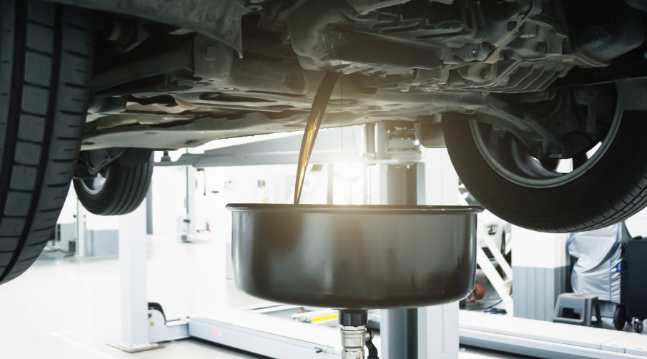
Your engine oil lubricates hundreds of moving metal parts, absorbs heat, and carries away contaminants. Over time it degrades, thickens, and becomes less effective. Changing your oil at the right intervals keeps the engine clean, cool, and responsive — and prevents the kind of internal wear that shortens engine life dramatically.
Better Fuel Economy
A poorly maintained car works harder than it needs to. Dirty air filters restrict airflow, under-inflated tyres increase rolling resistance, and clogged fuel injectors burn petrol inefficiently. A properly serviced car can deliver noticeably better fuel economy — a meaningful saving given current fuel prices in Kenya.
Safer Braking and Handling
Worn brake pads, low brake fluid, degraded shock absorbers, and misaligned wheels do not just affect comfort — they affect safety. Regular servicing catches these issues before they become dangerous, particularly important given the unpredictable mix of road surfaces and traffic behaviour on Kenyan roads.
Lower Long-Term Costs
Small problems caught early are cheap to fix. The same problems ignored become expensive to repair. A set of brake pads costs a fraction of what a brake disc replacement costs once the pads are worn through. Consistent servicing is the single most cost-effective car ownership habit there is.
Recommended Car Service Intervals for Kenyan Drivers
Service intervals are not one-size-fits-all — they depend on your vehicle make, age, engine type, and driving conditions. That said, the following framework works well for most cars in Kenya:
Monthly: The 5-Minute Check
You do not need to visit a mechanic every month, but a quick self-check takes only a few minutes and can catch issues before they develop. Check:
-
Tyre pressure — including the spare. Correct pressure improves fuel economy and tyre lifespan.
-
Engine oil level — check with the dipstick when the engine is cold.
-
Coolant level — low coolant is a common cause of overheating, especially in Nairobi traffic.
-
Windscreen washer fluid — minor, but useful on dusty roads.
-
All exterior lights — a blown brake light is both a safety hazard and a traffic offence.
This five-minute check can save you from a roadside breakdown or a police stop.
Every 5,000–10,000 km or 6 Months: Minor Service
Most manufacturers recommend an oil and filter change every 5,000 km for conventional oil, or up to 10,000 km for full synthetic oil. A minor service typically includes:
-
Engine oil and oil filter replacement
-
Air filter inspection or replacement
-
Cabin air filter check
-
Brake fluid level check
-
Tyre rotation and pressure check
-
Visual inspection of belts, hoses, and battery terminals
-
Top-up of all fluid levels
For Kenyan city drivers who cover high monthly mileage, a 5,000 km interval is advisable. For those driving mostly on the highway, 10,000 km with full synthetic oil is generally appropriate.
Every 20,000 km or 12 Months: Major Service
Once a year — or every 20,000 km, whichever comes first — your car needs a more comprehensive inspection. A major service should include everything from the minor service plus:
-
Spark plug replacement (petrol engines)
-
Gearbox and transmission fluid inspection
-
Brake pad and disc measurement and replacement if needed
-
Suspension components inspection (bushings, shock absorbers, ball joints)
-
Steering system check
-
Battery health test
-
Timing belt inspection (critical — a failed timing belt can destroy an engine)
-
Full undercarriage inspection
After a major service, most drivers describe their car as feeling like it has had a reset — smoother, quieter, and more responsive.
Every 40,000–60,000 km: Major Component Replacement
Some components have longer service lives but still need scheduled replacement. Depending on your vehicle, these include:
-
Timing belt — typically every 60,000–100,000 km. This is non-negotiable. A snapped timing belt will cause catastrophic engine damage.
-
Spark plugs (iridium type) — every 60,000–100,000 km
-
Transmission fluid (full change) — every 40,000–60,000 km
-
Coolant flush — every 40,000–60,000 km
-
Brake fluid flush — every 2 years or 40,000 km (brake fluid absorbs moisture over time, reducing braking effectiveness)
How Your Driving Style Affects Service Timing
Kenya's varied driving environments mean that service needs vary significantly between drivers. Here is how to calibrate your servicing based on how you actually use your car:
Daily Nairobi City Commuter
Stop-start traffic is hard on engines, brakes, and automatic transmissions. If your daily routine involves regular gridlock, stick to the shorter end of service intervals — 5,000 km oil changes and 6-monthly minor services. Your brake pads will also wear faster than average, so check them more frequently.
Upcountry and Rural Driver
Dusty, murram, or unpaved roads clog air and cabin filters far faster than tarmac driving. Check and replace your air filter more frequently — every 5,000 km rather than 10,000 km — and inspect your suspension components regularly for dust-related wear.
Long-Distance Highway Driver
High-mileage highway drivers accumulate kilometres quickly. While highway driving is generally gentler on components than city driving, the sheer distance covered means service intervals arrive faster. Prioritise transmission fluid, tyre condition, and brake inspection before any long journey.
Occasional or Weekend Driver
Even if you drive infrequently, time-based service is still important. Engine oil degrades chemically over time, not just through use. Service your car at least once per year regardless of mileage — batteries, tyres, and brake fluid also deteriorate with age, not just usage.
Warning Signs Your Car Needs Servicing Now
Do not wait for a scheduled service if your car is showing any of these symptoms. Address them promptly:
Dashboard warning lights — Never ignore a check engine, oil pressure, or temperature warning light. Pull over safely if any critical warnings appear.
Unusual engine or brake sounds — Squealing when braking usually means worn brake pads. Knocking from the engine often signals oil issues. Grinding when changing gears can indicate gearbox problems.
Increased fuel consumption — If you are visiting the petrol station more often than usual without changing your driving habits, something is affecting your car's efficiency.
Rough idling or hesitation — If the engine shudders at traffic lights or hesitates when you accelerate, spark plugs, fuel filters, or injectors may need attention.
Unusual smells — A burning smell can indicate overheating, oil leaks, or brake pad wear. A sweet smell from the engine area often signals a coolant leak.
Vibrations through the steering wheel — This commonly indicates wheel balancing or alignment issues, or worn suspension components.
Choosing the Right Mechanic in Kenya
The quality of your service is only as good as the mechanic performing it. A few principles worth following:
-
Use authorised dealers or reputable independent garages — for popular makes like Toyota, Nissan, Honda, and Mazda, authorised service centres use genuine parts and trained technicians.
-
Ask for a service checklist — a professional garage should provide a written record of what was inspected and what was replaced.
-
Source genuine or quality OEM parts — yokaspares.co.ke is a reliable Kenyan source for genuine service parts and body components across a wide range of makes and models.
-
Keep your service records — a full service history significantly boosts your car's resale value.
How Servicing Affects Your Car's Resale Value
Here is something many Kenyan car buyers overlook: a complete, documented service history can add significant value to a used car. When buyers see records showing consistent oil changes, brake replacements, and scheduled major services, they are paying for peace of mind — and they will pay more for it.
If you are planning to sell your car in the next year or two, investing in a proper full service now is likely to return its cost several times over in a stronger resale price.
This is especially worth noting if you are comparing used cars to buy. On auto24.co.ke, Kenya's leading used-car marketplace, well-maintained vehicles with service records — such as the Toyota Fielder, Nissan Note, Mazda Demio, and Honda Fit — consistently command better prices and sell faster than equivalent models without documented upkeep. Browsing auto24.co.ke/cars can also help you benchmark how a car's maintenance history affects its market value before you buy or sell.
Quick Service Interval Summary
Service Type
Interval
Self-check (oil, tyres, lights)
Monthly
Minor service (oil, filters, fluids)
Every 5,000–10,000 km or 6 months
Major service (full inspection)
Every 20,000 km or 12 months
Timing belt replacement
Every 60,000–100,000 km
Transmission fluid change
Every 40,000–60,000 km
Brake fluid flush
Every 2 years or 40,000 km
Coolant flush
Every 40,000–60,000 km
Always defer to your vehicle's owner's manual for manufacturer-specific recommendations.
Final Thoughts
Servicing your car on time is one of the simplest, most effective things you can do as a Kenyan driver. It keeps your car reliable, saves you money on fuel and repairs, protects your safety on the road, and preserves your vehicle's resale value.
The cost of a regular service is modest. The cost of ignoring one — whether it is a seized engine from oil neglect, a brake failure from worn pads, or a destroyed engine from a snapped timing belt — is anything but.
Stay consistent, know your intervals, and your car will reward you with years of trouble-free driving.
For more practical car maintenance guides, driving tips, and automotive news tailored specifically for Kenyan drivers, explore the full editorial library at autoskenya.com. And for the latest vehicle news and reviews from the Kenyan market, automag.co.ke is a great companion resource.
How often do you service your car — and have you ever left it too long? Share your experience in the comments below. Your story might save another driver from an expensive lesson.
Read more on autoskenya.com:
-
10 Things to Check Before Buying a Used Car in Kenya
-
Best Engine Oils for Kenyan Road Conditions
-
How to Read Your Car's Warning Lights — A Kenyan Driver's Guide