
Kenya is currently standing at the forefront of a major energy revolution, proudly generating approximately 90% of its national electricity from clean sources. A massive portion of this power comes from the vast volcanic heat of the Rift Valley, providing a highly stable, continuous baseload. However, this impressive energy matrix faces a unique logistical challenge: a massive surplus of power generated late at night when national consumption is at its absolute lowest. To perfectly capture and utilize this wasted nighttime energy, innovators are aggressively scaling Kenya Geothermal Battery Swapping infrastructure, creating a brilliant, circular economy that bridges power generation directly with modern transportation.
Solving The Off-Peak Surplus Dilemma
Unlike solar or wind power, which fluctuate based on the weather, geothermal plants run continuously, 24/7. During the late evening and early morning hours, the national grid produces far more electricity than the population actually consumes. Instead of letting this valuable Geothermal Grid Balancing opportunity go to waste, local mobility startups are buying up this heavily discounted, off-peak electricity. By prioritizing Kenya Geothermal Battery Swapping, fleet operators can charge thousands of depleted lithium-ion batteries overnight when the electricity tariffs drop significantly.
Powering The Two-Wheeler Revolution
The most visible and immediate impact of this strategy is seen within the booming motorcycle taxi industry. Out of the tens of thousands of electric vehicles currently registered across the nation, an overwhelming majority are electric motorcycles that rely entirely on localized EV Battery Swapping Networks.
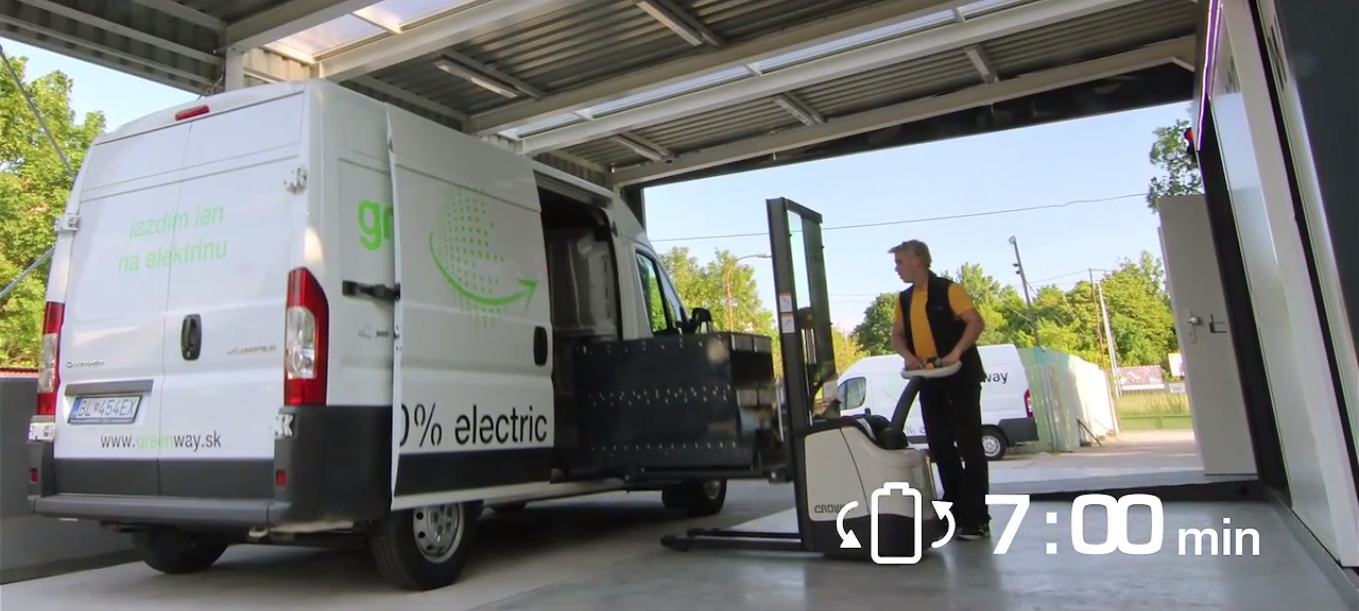
For the everyday rider, this system is incredibly efficient. Instead of waiting hours plugged into a traditional wall outlet and straining the local daytime grid, a driver simply pulls into a designated kiosk and exchanges a drained battery for a fully charged one in under two minutes. Because these specific batteries were charged overnight using clean volcanic power, this specific model of Kenya Geothermal Battery Swapping represents the absolute pinnacle of Renewable Energy Transport.
Protecting The Grid From Daytime Overloads
As African Electric Mobility continues to expand at a staggering rate, unmanaged daytime charging could easily overwhelm the country's existing transmission infrastructure. Widespread plug-in charging during the evening peak hours (when families turn on their lights and appliances) would inevitably trigger costly transformer blowouts and rolling blackouts.
However, by heavily relying on Kenya Geothermal Battery Swapping, energy consumption is strategically deferred to the safest possible hours. The charging cabinets essentially act as decentralized energy storage units, perfectly smoothing out the national demand curve. This intelligent approach to Kenya Geothermal Battery Swapping actively prevents grid strain, proving that rapid electrification does not have to compromise national infrastructure stability.
A Blueprint For The Continent
The rapid, ongoing expansion of these swapping stations across major urban centers and highway corridors is setting a phenomenal example for neighboring nations. By actively syncing their local transport networks with their domestic energy generation, policymakers are ensuring that the future of Kenya Green Transport is highly sustainable, deeply affordable, and entirely self-sufficient.
For logistics operators, green tech investors, and energy engineers wanting to continuously track the latest breakthroughs in continental grid management, clean energy deployment, and regional automotive markets, exploring the expert daily insights at AfriCarNews is an absolutely essential habit.
Ultimately, the aggressive, successful integration of Kenya Geothermal Battery Swapping actively demonstrates that African nations can successfully leapfrog outdated fossil-fuel paradigms. By turning volcanic steam into direct driving power, Kenya Geothermal Battery Swapping is driving the continent straight toward a brilliantly clean, zero-emission future.
Do you think battery swapping is the ultimate solution for electric vehicle adoption in developing nations? How else can countries use their off-peak renewable energy to power public transit? Share your thoughts, questions, and green mobility ideas in the comments below!