
Ask ten Kenyan car buyers which transmission is "best," and you'll likely get ten different answers — usually shaped by whichever gearbox failed on them last. The truth is that CVT, automatic, and manual transmissions each have real strengths and real weaknesses once you factor in Nairobi traffic, upcountry hills, and the realities of Kenyan garages. Here's an honest, practical breakdown to help you choose the right one for how you actually drive.
Understanding the Three Transmission Types
Before comparing them in a Kenyan context, it helps to know exactly what you're dealing with under the hood.
Manual Transmission
A manual gearbox uses a clutch pedal and gear stick, giving the driver full control over gear selection. It's the simplest mechanical design of the three, with fewer electronic components to fail.
Automatic Transmission
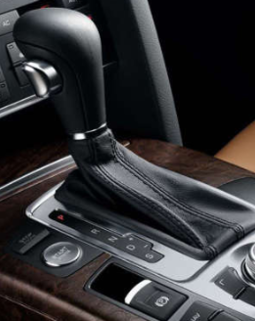
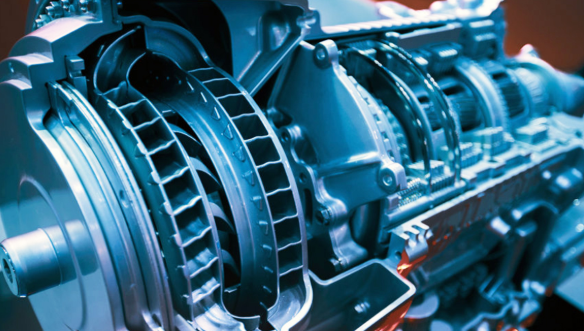
A traditional automatic uses a torque converter and a fixed set of gears (commonly 4, 5, 6, or 8 speeds) that shift automatically as you drive. No clutch pedal is needed, and the driver simply selects Drive, Reverse, Neutral, or Park.
CVT (Continuously Variable Transmission)
A CVT ditches fixed gears entirely, instead using a belt or chain running between two variable-diameter pulleys. This allows the engine to stay in its optimal power band continuously, rather than shifting between discrete gear ratios, which is why CVTs are prized for smoothness and fuel efficiency.
How Each Performs on Kenyan Roads
Kenyan driving conditions are genuinely varied — from Nairobi's stop-start jams to the steep Rift Valley escarpment and the rougher murram roads found upcountry. Each transmission responds differently to these conditions.
Nairobi and Urban Traffic
For daily crawling through traffic on Thika Road, Mombasa Road, or Waiyaki Way, an automatic or CVT removes the fatigue of constantly working a clutch pedal. This is a big part of why CVT-equipped hatchbacks like the Toyota Vitz, Nissan Note, and Mazda Demio have become so dominant among Nairobi's ride-hailing drivers — smoother stop-start performance means less driver fatigue over a 10-hour shift.
Hills and the Rift Valley Escarpment
Manual transmissions still have an edge on steep, winding roads. Drivers can hold a lower gear deliberately for engine braking on long descents, which reduces brake wear on routes like the Nairobi–Naivasha escarpment or the Kericho highlands. Automatics handle hills reasonably well with "power" or manual-shift modes, but CVTs can feel less confidence-inspiring on long climbs, since they lack the tactile "gear" feel drivers expect when hauling a full load uphill.
Upcountry and Rough Roads
On rougher rural roads, mechanical simplicity matters. A manual gearbox is generally easier and cheaper for a rural garage to diagnose and repair, since it has no complex hydraulics or electronic control unit to troubleshoot. This is one reason manual transmissions remain the default choice for matatus, pickups, and commercial vehicles working outside major towns — simplicity means less downtime when something goes wrong far from a specialised mechanic.
Fuel Economy Compared
Fuel costs are a constant concern for Kenyan drivers, and transmission choice genuinely affects consumption.
-
CVT vehicles generally deliver the best fuel economy of the three, since the engine can run at its most efficient RPM continuously rather than jumping between gear ratios. This is a major reason hatchbacks like the Vitz and Demio, both commonly sold with CVTs, post such strong km/l figures in city driving.
-
Automatic transmissions have closed the gap significantly in modern designs with 6+ speeds, though older 4-speed automatics (common in older imports) are noticeably thirstier.
-
Manual transmissions can match or even beat CVT economy in the hands of a skilled driver who shifts efficiently, but most everyday drivers won't extract that advantage in real-world city traffic.
Maintenance and Repair Costs in Kenya
This is where the conversation gets interesting for Kenyan buyers specifically, because local repair economics don't always match what you'll read in overseas guides.
The Kenyan CVT Repair Reality
Overseas sources often quote CVT replacement costs running into thousands of dollars. In Kenya, however, the common practice is different: rather than rebuilding a failed CVT locally, most garages simply swap in a used, ex-Japan replacement gearbox. Prices for these units are typically far more modest — used CVT gearboxes for popular models like the Nissan Note, Mazda Demio, and Toyota Vitz commonly sell for roughly Ksh 30,000 to 65,000 through Nairobi's Industrial Area parts dealers, plus fitting labour. This makes CVT ownership considerably less intimidating in Kenya than the alarming dollar figures you'll see in US-focused repair guides.
That said, CVTs are still more sensitive to fluid condition than manuals or conventional automatics, and neglecting fluid changes remains the single biggest cause of premature failure. "CVTs are more sensitive to fluid condition than conventional automatics," which makes regular fluid checks non-negotiable if you're running one on Kenyan roads.
Automatic Transmission Maintenance
Traditional automatics are generally more forgiving of missed maintenance than CVTs, and Kenya's parts market is well stocked for common models — used automatic gearbox parts and full units are widely available through the same Industrial Area network. Specialist automatic-gearbox repair shops have also become common in Nairobi, reflecting how mainstream automatics have become.
Manual Transmission Maintenance
Manual gearboxes remain the cheapest of the three to maintain. Clutch replacement is a well-understood job for virtually any garage in the country, parts are inexpensive, and there's no fluid-sensitivity issue to worry about. For budget-conscious buyers or anyone operating far from a major town, this remains a genuine advantage.
Resale Value and Popularity
Kenyan buyer preferences have shifted noticeably over the past decade. Automatic and CVT vehicles now dominate Kenya's popular import categories — the Vitz, Demio, Note, Axio, and Fit are overwhelmingly sold as automatics or CVTs, and this has become the market norm for private buyers, especially first-time drivers and ride-hailing operators who prioritise ease of use.
Manual transmissions still hold their ground in specific segments: pickups (like the Hilux), vans, and PSV/matatu vehicles, where fleet operators value mechanical simplicity and lower long-term repair costs over daily convenience. If you're buying specifically for commercial use, a manual variant can still be the financially smarter choice.
Which Transmission Should You Choose?
Here's a practical breakdown by use case:
-
City commuting and ride-hailing (Uber/Bolt): CVT or automatic — reduces driver fatigue in traffic, and fuel savings matter over high daily mileage.
-
First-time drivers: Automatic or CVT — no clutch to master, simpler and less stressful in Nairobi traffic.
-
Frequent upcountry or hilly driving: Manual — better engine braking control and simpler roadside repairs.
-
Commercial/PSV use: Manual — mechanical simplicity and lower long-term running costs win out.
-
Budget-conscious buyers worried about repair costs: Manual first, automatic second, CVT third — though as noted above, CVT repair costs in Kenya are far more manageable than international guides suggest.
Final Verdict
There's no single "best" transmission for Kenya — only the best fit for how and where you drive. If your daily routine is mostly Nairobi traffic or ride-hailing work, a CVT or automatic will serve you well and save you money at the pump. If you spend real time on hills, murram roads, or you run a PSV or commercial vehicle, a manual remains the more forgiving and cost-effective choice.
Whichever you choose, insist on a test drive that includes both a hill and some stop-start traffic before you commit, and always ask for the transmission's service history. If you're ready to compare units across all three transmission types, auto24.co.ke lists verified used Vitzes, Demios, Notes, and Axios in both automatic/CVT and manual variants, making it easy to shortlist by transmission type alongside price and mileage.
For more on choosing the right car for your specific driving needs, check out our guide on reliable second-hand cars under Ksh 1 million, and automag.co.ke regularly covers deeper reviews of individual models if you want a closer look at how a specific transmission performs in real Kenyan test drives.
Which transmission do you trust more for Kenyan roads — manual, automatic, or CVT? Share your experience in the comments, and browse our other driving guides for more practical car-buying advice.