

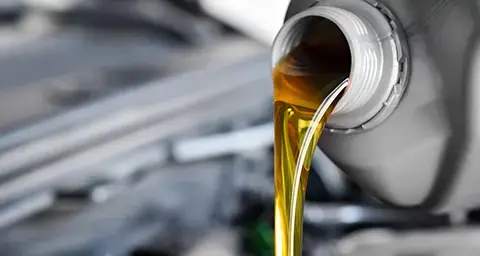
Ask any mechanic along Ngong Road or in Nairobi's Industrial Area what kills engines fastest in Kenya, and "the wrong oil" comes up almost as often as "bad fuel." It's not dramatic — no smoke, no bang — just slow, quiet wear that catches up with you at 150,000 km instead of 300,000.
Kenya isn't a gentle place for engine oil. Hot daytime temperatures speed up oxidation, Nairobi's stop-start traffic keeps engines under sustained thermal load, dusty upcountry roads work oil harder than smooth tarmac ever would, and fuel quality isn't always consistent. All of that means the oil recommendation printed for a car sold in Japan or Germany doesn't automatically hold up once that same car is doing the school run in Kasarani or a weekend trip to the Rift Valley. Choosing oil deliberately, rather than just grabbing whatever's cheapest at the local shop, is one of the simplest ways to protect your engine long-term.
Why Kenyan Conditions Are Tougher on Engine Oil
Before picking a product, it helps to understand what your oil is actually up against here:
-
Heat: Sustained high temperatures accelerate oil breakdown, especially in traffic where the engine idles for long stretches without the cooling benefit of highway airflow.
-
Dust: Roads outside the main highways introduce more airborne contamination, which oil has to trap and hold rather than let circulate through the engine.
-
Traffic-heavy driving: Nairobi's rush-hour crawl means more heat cycles and more short trips, both of which age oil faster than steady long-distance driving would.
-
Fuel quality variability: Combustion byproducts from inconsistent fuel add to the oil's workload, contributing to sludge if the oil can't keep up.
Given all that, an oil that performs adequately in a temperate climate may simply not last as long once it's doing duty on Kenyan roads.
Understanding Viscosity Grades
Every oil container carries a code like 5W-30 or 10W-40, and it's worth understanding what it actually means. The number before the "W" describes how the oil flows at cold start-up — the lower it is, the easier the oil moves through the engine on a cold morning. The number after the "W" describes how well the oil holds its thickness once the engine is hot.
For Kenya's climate, here's a rough guide by vehicle type:
-
New petrol cars and hybrids (e.g., Toyota Prius, Corolla Cross hybrid models): 0W-20 or 5W-30, as specified by most manufacturers for fuel efficiency.
-
Standard sedans and small SUVs (Toyota Axio, Fielder, Vitz, Nissan Note): 5W-30 or 10W-30 works well for typical Kenyan driving.
-
Older or higher-mileage petrol engines: 10W-40 offers a slightly thicker film that can help engines with more wear hold oil pressure better.
-
Diesel pickups, buses, and SUVs (Isuzu D-Max, Toyota Hilux, Land Cruiser): 15W-40 is the standard recommendation for diesel engines under heavier loads.
Always check your owner's manual first — it remains the most reliable starting point — and adjust from there based on your car's age, mileage, and how you actually drive it day to day.
Mineral, Semi-Synthetic, or Fully Synthetic?
This is where budget and performance start to pull in different directions.
Mineral oil is refined directly from crude petroleum. It's the cheapest option — typically a fraction of the price of synthetic — but it breaks down faster under Kenya's heat and stop-start traffic, meaning more frequent changes are non-negotiable if you go this route.
Semi-synthetic oil blends mineral oil with synthetic components, offering a middle ground: better heat stability than pure mineral oil, at a lower cost than full synthetic. For many older Toyota and Nissan models still common on Kenyan roads, this is a sensible balance.
Fully synthetic oil is engineered for consistent performance across a wide temperature range, resists breakdown better under sustained heat, and generally allows longer intervals between changes. It costs noticeably more upfront, but for vehicles doing serious highway mileage, running turbocharged or high-performance engines, or simply spending a lot of time stuck in Nairobi traffic, the extra protection tends to pay for itself over the engine's lifetime.
As a rule of thumb: if your car is newer, turbocharged, or you drive mostly in heavy traffic and extreme heat, synthetic is worth the premium. If it's an older, naturally aspirated engine mostly doing short urban trips, a good semi-synthetic will usually do the job.
Reputable Oil Brands Available in Kenya
Several established brands are widely stocked at service stations and auto shops across the country, including TotalEnergies, Shell Helix, Mobil, and Castrol. Each publishes clear viscosity and specification guidance for their products, and sticking to well-known brands from authorized dealers is the simplest way to avoid counterfeit oil — unfortunately, still a real risk in parts of the local market.
Whichever brand you choose, match it to the API service classification recommended for your engine (petrol engines use the "S" classification, diesel engines use "C"), not just the viscosity number alone.
Oil Change Intervals for Kenyan Conditions
Manufacturer intervals are usually built around ideal driving conditions, which Kenya's roads and traffic often aren't. As a general guide:
-
Mineral oil: every 5,000 km, given how much faster it breaks down under local conditions.
-
Semi-synthetic oil: every 5,000–7,500 km.
-
Fully synthetic oil: can often stretch closer to 10,000 km, though it's worth checking with your mechanic based on how the car is actually used.
Always replace the oil filter at the same time — running fresh oil through an old, clogged filter defeats much of the purpose.
Choosing Oil Based on How You Actually Drive
-
Mostly city driving with heavy traffic: Prioritize an oil with good detergent additives to fight sludge buildup from constant idling and short trips.
-
Frequent upcountry or unpaved-road driving: Look for oils marketed with strong dirt and contaminant control, since dust exposure is higher.
-
Long highway distances: A quality synthetic will hold its viscosity better over sustained high-speed running.
-
Older, high-mileage engines: A slightly thicker viscosity (like 10W-40) can help maintain oil pressure in an engine that's already seen significant wear.
If you're shopping for a used car and want something that won't demand premium synthetic oil and frequent trips to the mechanic, checking listings on auto24.co.ke is a good way to compare well-maintained, lower-mileage options before you commit — a car with a documented service history is far easier to keep running cheaply than one with an unknown past.
Final Word
There's no single "best" engine oil for every car in Kenya — the right choice depends on your engine, your mileage, your budget, and how hard your daily driving pushes it. What matters most is being deliberate: check your manual, buy from a reputable dealer, match the oil to your real driving conditions rather than the label alone, and don't stretch change intervals further than your conditions actually allow.
For more maintenance guides and driving tips tailored to Kenyan roads, explore more articles on AutosKenya.com, and for the latest automotive news and reviews, visit automag.co.ke.
Which oil has served your car best on Kenyan roads? Share your experience in the comments — it might help another driver make the right call at their next oil change.