



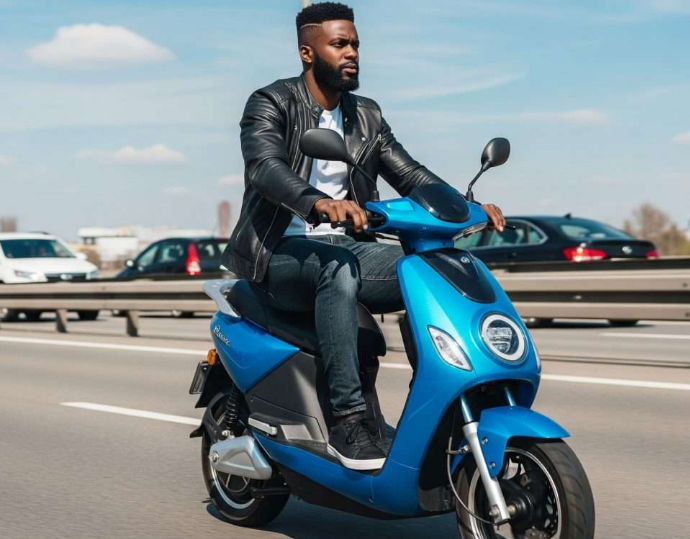
Kenya must regulate e-scooters and e-bikes now to ensure safety, urban order, and sustainability. Discover why early action is essential.
Introduction
Electric scooters (e-scooters) and electric bicycles (e-bikes) are becoming popular worldwide as clean, affordable, and flexible transport alternatives. They offer Kenyan cities like Nairobi, Mombasa, Kisumu, Eldoret, and Nakuru an opportunity to reduce traffic congestion, cut fuel dependence, and improve air quality.
But without clear policies and safety guidelines, their rapid adoption could introduce new challenges—from unsafe roads to disorganized city spaces. Learning from global experiences, Kenya must act early to regulate this sector before problems outweigh the benefits.
Why E-Scooters and E-Bikes Are Attractive
E-scooters and e-bikes are appealing for several reasons:
-
Convenience for short trips – They fill the “last-mile” gap where buses and matatus do not reach.
-
Affordability – With lower running costs than cars or motorcycles, they are budget-friendly for daily commuters.
-
Eco-friendly benefits – Unlike fuel-powered vehicles, they produce zero tailpipe emissions.
-
Traffic reduction – In Nairobi, where traffic jams cost businesses billions annually, e-mobility offers much-needed relief.
For a country aiming to reduce emissions and improve urban mobility, they represent a forward-looking solution.
Lessons from Other Countries
Countries such as the U.S. and U.K. have already faced the consequences of introducing micromobility without adequate rules:
-
Safety risks – The U.S. recorded over 50 e-scooter fatalities between 2017–2021, while U.K. accidents tripled between 2020–2022.
-
Urban disorder – Poorly parked scooters often block pavements, inconveniencing pedestrians and wheelchair users.
-
Traffic conflicts – Riders mixing with cars and pedestrians without training create unsafe road conditions.
Cities like San Francisco even banned e-scooters temporarily, while New York responded with speed limits and designated zones. Kenya has a chance to learn from these mistakes.
Why Kenya Needs Early Regulation
If Kenya waits too long, challenges could spiral. Here are three key reasons to regulate early:
1. Safety for All Road Users
Helmet laws, speed limits (20–25 km/h), and training can reduce accidents and save lives.
2. Order in Urban Spaces
Without parking rules, Nairobi’s sidewalks could become cluttered, worsening congestion instead of solving it.
3. Unlocking Environmental Gains
Regulations ensure that the eco-benefits—reduced emissions, less noise, and cleaner air—are realized without compromising safety.
Proposed Measures for Kenya
To create a safe and sustainable micromobility ecosystem, the following measures are essential:
-
Licensing & Registration
-
Require registration of e-scooters and e-bikes with local authorities.
-
Train riders on traffic rules before licensing.
-
-
Dedicated Infrastructure
-
Build safe cycling and scooter lanes.
-
Provide designated parking spots in busy urban centers.
-
-
Safety Rules
-
Mandatory helmet use and reflective gear.
-
Speed capped at 25 km/h in cities.
-
-
Age & Training Restrictions
-
Allow riders aged 18 and above only.
-
Introduce beginner safety courses.
-
-
Enforcement & Monitoring
-
Equip traffic police to monitor compliance.
-
Enforce penalties for sidewalk riding, speeding, or blocking pedestrian zones.
-
The Environmental Opportunity
E-scooters and e-bikes are not just about convenience—they are a key tool for sustainable development. By replacing short car trips, they:
-
Cut reliance on fossil fuels.
-
Improve air quality in polluted cities like Nairobi.
-
Reduce noise levels in busy areas.
They also align with Kenya’s climate action goals and can boost the country’s image as a clean mobility leader in Africa.
Conclusion
Kenya stands at a turning point. By creating smart regulations for e-scooters and e-bikes now, the country can:
-
Prevent accidents and urban disorder.
-
Support a greener, cleaner transport system.
-
Position itself as a pioneer in sustainable mobility across Africa.
The time for proactive regulation is now—before challenges overwhelm the benefits.
Related Resources
-
For the latest updates on sustainable mobility and automotive trends in Kenya, visit autoskenya.com.
-
Explore more transport insights and driving tips at automag.co.ke.
-
Looking for affordable transport alternatives? Check out second-hand cars suited for urban commutes at auto24.co.ke, where models like the Toyota Vitz, Honda Fit, and Nissan Note offer excellent efficiency for city driving.


