
The shift to electric vehicles (EVs) is accelerating in Kenya, offering substantial savings and a sustainable lifestyle. Here is your definitive guide to the EV market in Kenya, covering the best models, total costs, and current government incentives.
The Green Revolution: Why Go Electric in Kenya?
Kenya’s embrace of electric mobility is no longer a futuristic concept—it's a financial and environmental reality. With over 9,000 EVs registered as of late 2025, the market is quickly moving beyond electric motorcycles and into passenger vehicles.
For the Kenyan driver, the key advantages are clear:
- Massive Cost Savings: EVs cost significantly less to run. A 100km journey in an EV costs approximately KES 150 – KES 284 in electricity, compared to over KES 1,900 for a petrol car.
- Reduced Maintenance: Electric motors have fewer moving parts than traditional internal combustion engines (ICE), eliminating the need for oil changes, spark plugs, and complex gearboxes, leading to lower long-term maintenance costs.
- Favorable Tax Structure: The government has introduced key incentives to make electric cars more accessible.
If you are a driver concerned about the rising cost of fuel and looking for a sustainable alternative, now is the perfect time to explore the benefits of buying an electric car in Kenya.
Top Electric Car Models and Estimated Prices (2025)
The electric vehicle models in Kenya now cater to various budgets and lifestyle needs, from city commuters to family SUVs. Chinese manufacturers like BYD, MG, and Neta are leading the charge, offering high-tech features at competitive prices.
Affordable and Mid-Range EV Options
Model Price Range (KES) Best Suited For Key Feature Nissan Leaf (Pre-owned) KES 1.2M – 2.5M City Commutes, First-Time EV Owners Most affordable entry point into EV ownership. BYD Dolphin KES 2.5M – 2.8M Urban Professionals, Compact Hatchback Excellent range (300-400 km) and modern battery tech. MG ZS EV KES 2.9M – 3.5M Small Families, Weekend Getaways Compact SUV space and reliable performance. Hyundai Kona Electric KES 3.5M – 4.2M Long-Distance Commuters Long range (up to 450 km) and fast charging capability.
Models like the Neta V and MG4 are also making strong debuts, aiming at the budget-friendly compact SUV segment, providing excellent value-for-money electric cars for the Kenyan market.
Navigating the EV Import Process and Costs
Most electric cars in Kenya are imported, making it vital to understand the rules and the tax breaks available.
Government Incentives and Tax Breaks
The Kenyan government has used tax policy to dramatically reduce the barrier to entry for EVs. However, it is crucial to note the specific rates for fully built passenger cars:
- Import Duty: The standard rate is 25% of the Customs Value (CRSP), though some earlier incentives had a 0% rate for certain categories.
- Excise Duty: Currently set at a reduced rate of 10% of the Customs Value, much lower than the rate for many petrol vehicles.
-
VAT Exemption: While electric motorcycles, buses, batteries, and charging equipment are fully VAT-exempt, fully imported passenger EVs generally attract the standard 16% VAT (or 14% on some calculations), applied cumulatively on the Customs Value plus duties.
Always calculate your total import cost carefully, including the 2% Railway Development Levy (RDL) and the 3.5% Import Declaration Fee (IDF). These incentives still lead to a much lower total tax burden compared to importing a similar-sized petrol SUV.
Strict Used EV Import Requirements (Effective 2025)
To protect consumers and ensure quality, new rules apply specifically to used electric vehicle imports:
- Age Limit: The vehicle must not be older than 8 years from its first registration date (i.e., registered in 2018 or later for 2025 imports).
- Right-Hand Drive (RHD): The vehicle must be an RHD configuration to comply with Kenyan road laws.
- Battery Health: The battery must retain a minimum of 80% of its original capacity, which must be certified by a KEBS-approved agency before shipment.
This final requirement is critical for used models like the Nissan Leaf. Before committing to a purchase, verify the battery's State of Health (SOH). For a comprehensive breakdown of the import process, including the required Pre-shipment Inspection, read more on import regulations here.
Charging Infrastructure and Operation
The major concern for prospective buyers is "range anxiety." Kenya’s charging infrastructure is rapidly addressing this.
Public Charging Network and Costs
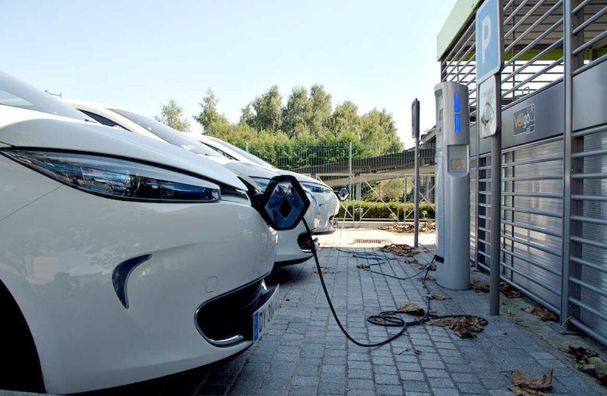
- Network Expansion: The government has pledged over $47 million to install 10,000 charging stations by 2030, with early phases prioritizing major corridors like Mombasa-Busia and regional hubs (Mombasa, Kisumu, Eldoret). Private firms like Moja EV Kenya are also deploying 80kW DC fast chargers in urban centres.
- Affordable Charging: Kenya Power (KPLC) offers a preferential e-mobility tariff, making charging at home incredibly cheap.
-
Off-Peak Rate (10pm-6am): Approximately KES 8 – KES 9 per kWh.
-
Peak Rate (Daytime): Approximately KES 16 – KES 17 per kWh.
-
Charging a mid-range EV battery (e.g., 40 kWh) from 20% to 100% at the off-peak rate costs about KES 288 – KES 324, giving you up to 300km of range—a fraction of the price of petrol. For a full guide to all charging locations and tariffs, you can find detailed information on the network expansion on automag.co.ke.
Making the Leap: New vs. Used EVs
The EV market presents a choice between the warranty and advanced tech of a new car versus the lower entry price of a pre-owned model.
If you opt for a new EV, you get the benefit of a full battery warranty and the latest advancements in range and efficiency. However, if your budget leans towards the pre-owned market, remember the strict 8-year age limit and 80% battery health rule.
The influx of new EVs drives down the prices of certain used petrol vehicles, such as the reliable Toyota Vitz or the Suzuki Swift, offering alternatives for drivers not yet ready to make the electric switch. To find a wide range of affordable used vehicles that complement the EV segment, check out auto24.co.ke.
The Final Charge
Buying an electric car in Kenya is a smart move that guarantees lower running costs and a cleaner commute. By leveraging the current incentives and understanding the import requirements, you can confidently join Kenya’s transition to sustainable mobility.