

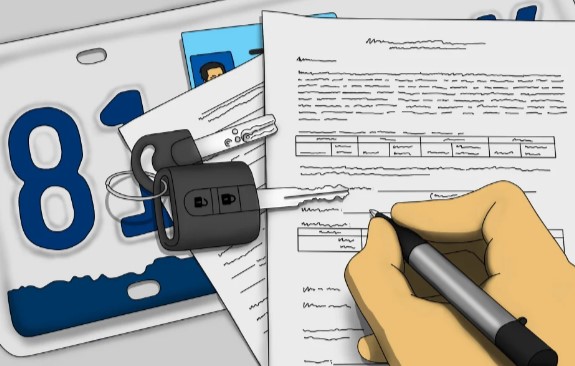
For every car buyer or seller in Kenya, navigating the legal maze of vehicle transfer is non-negotiable. Whether you are buying a second-hand SUV or selling a family saloon, proper paperwork ensures you are legally protected and guarantees valid ownership of the motor vehicle.
This comprehensive guide walks you through the mandatory steps involving the National Transport and Safety Authority (NTSA), verifying the crucial logbook, and understanding your legal obligation regarding vehicle insurance in Kenya.
1. Verifying the Logbook: The Key to Authentic Ownership
The logbook (Certificate of Registration) is the most critical document for any vehicle. Fakes are common, so diligent verification is essential before any money changes hands.
1.1. Logbook Authentication Process (NTSA/eCitizen)
The only reliable way to confirm the vehicle's details and ownership status is through the official online portals.
-
NTSA TIMS Search: The buyer must perform a search on the NTSA TIMS (Transport Integrated Management System) platform, accessible via the eCitizen portal.
-
Key Details to Match: The search will provide the official records. Compare these against the physical vehicle and the seller’s identity documents:
-
Registered Owner Name/KRA PIN: Must match the seller's ID and KRA certificate.
-
Vehicle Identification Number (VIN) and Chassis/Engine Numbers: Must match the engravings on the car and the original logbook.
-
Caveat Status: Confirm that the car is not flagged with a "Caveat" or "Lien," which would indicate an outstanding loan or court case.
-
"If the search results do not match the physical vehicle or the seller's documents perfectly, do not proceed with the purchase. A discrepancy is a major red flag."
1.2. Logbook Transfer Documentation
To ensure a smooth transfer, both parties must have their documents ready:
-
Valid Kenyan National ID or Passport (Copy and Original for verification).
-
KRA PIN Certificate (for both buyer and seller).
-
Original Logbook.
-
A formal Sale Agreement signed by both parties and witnessed.
-
Valid Vehicle Inspection Report (required for older vehicles or if NTSA deems necessary).
If you are looking for reliable second-hand vehicles that have clear logbooks, checking listings on auto24.co.ke can give you an idea of the market for models like the Toyota Premio or Nissan X-Trail with full documentation.
2. NTSA Transfer of Ownership: Step-by-Step
The entire transfer process for a motor vehicle logbook is now handled digitally via the NTSA portal through eCitizen, eliminating the need for physical visits in most cases.
2.1. The Seller's Role: Initiating the Transfer
The current owner (seller) is responsible for starting the process to change car ownership in Kenya.
-
Log in to eCitizen: Access the NTSA services section.
-
Select Vehicle Transfer: Choose the specific vehicle using its registration number.
-
Enter Buyer Details: Input the buyer’s KRA PIN and National ID details. The system will auto-populate the buyer’s information.
-
Upload Logbook: Upload a clear, coloured scan of the original logbook (usually in PDF format).
-
Submit Request: The seller submits the application and pays the transfer fee (fees vary based on the vehicle's Cubic Centimetres, e.g., KES 1,050 for many private vehicles).
2.2. The Buyer's Role: Accepting and Finalising
The buyer must complete their part quickly to avoid the request expiring.
-
Notification and Login: The buyer receives a notification and must log in to their NTSA/eCitizen account.
-
Review and Acceptance: Review all the vehicle details and the seller's information. If everything is accurate, select "Accept Transfer."
-
Payment and Submission: The buyer pays any applicable final fees (if not fully paid by the seller) and submits for final NTSA approval.
-
New Logbook: NTSA processes the application (typically 3–7 working days). The buyer receives a notification when the new logbook, registered in their name, is ready for digital download or physical collection, depending on the current NTSA policy.
Read more here about common transfer pitfalls and how to resolve them to avoid delays.
3. Vehicle Insurance: Legal Compliance and Types
Having motor vehicle insurance is a legal requirement in Kenya. Before a vehicle can be driven on public roads, it must be insured.
3.1. Mandatory Minimum: Third Party Only (TPO)
The Kenyan Traffic Act (Cap 405) mandates that every car must have at least Third Party Only (TPO) insurance.
-
Coverage: TPO covers damage or injury caused to other people, their vehicles, or their property in an accident you cause.
-
Exclusions: It does not cover any damage to your own vehicle, or any injury/death to you or your passengers. TPO is the most basic and affordable policy, often chosen for older, lower-value cars.
3.2. Recommended Coverage: Comprehensive Insurance
For newer vehicles, higher-value second-hand cars, or cars that are frequently driven, Comprehensive Insurance is highly recommended.
-
Full Protection: This policy covers everything TPO covers, plus damage to your own vehicle, theft, fire, and usually includes cover for the windscreen and audio system.
-
Policy Add-ons: Most providers, detailed in articles on autoskenya.com, offer extensions for events like Political Violence and Terrorism (PVT) and Excess Protector, which are highly valuable in the Kenyan context.
-
Third-Party, Fire, and Theft: A mid-tier option that covers third-party liabilities, plus loss due to fire and theft of your own car, but not accidental damage to your car.
For a detailed breakdown of insurance premiums and provider comparisons, refer to expert articles from trusted sources like automag.co.ke.
Conclusion: Driving Legally and Safely
The legal steps of verifying the logbook, executing a timely NTSA transfer, and securing the correct motor insurance are the bedrock of responsible car ownership in Kenya. By diligently following this process, you safeguard your investment against fraud and legal complications, ensuring your focus remains on the joy of driving.
Next Steps for the New Owner
-
Check Road Tax/Bic-Sticker Status: Ensure the vehicle's annual road taxes are current.
-
Keep Digital Records: Download and safely store the new digital logbook and all insurance policy documents.
Do you have any questions about NTSA charges or insurance claims? Ask us in the comments below!