
Mobility is more than just getting from point A to point B — it is freedom. For persons with disabilities (PWDs) in Kenya, owning a vehicle is not a luxury but a lifeline that opens doors to employment, healthcare, education, and social participation.
The good news? Kenyan law allows eligible persons with disabilities to import a motor vehicle completely duty-free. If you or someone you love qualifies, this guide breaks down every step of the process — from sourcing the right car to driving it home.
"Disability is not inability." The government's duty-free import framework is a powerful recognition of this truth.
What Is the Legal Basis for Duty-Free Vehicle Import for PWDs?
Two pieces of legislation underpin this exemption:
-
The 5th Schedule, Part A, Item 8 of the East African Community Customs Management Act (EAC CMA)
-
The 1st Schedule, Part 1, Section A, Item 39 of the VAT Act of 2013
Together, these laws exempt registered persons with disabilities from paying import duty and VAT when bringing in a motor vehicle — a saving that can run into hundreds of thousands of shillings.
Step-by-Step Guide: How to Import a Vehicle Duty-Free as a PWD in Kenya
Step 1: Source and Identify Your Ideal Vehicle
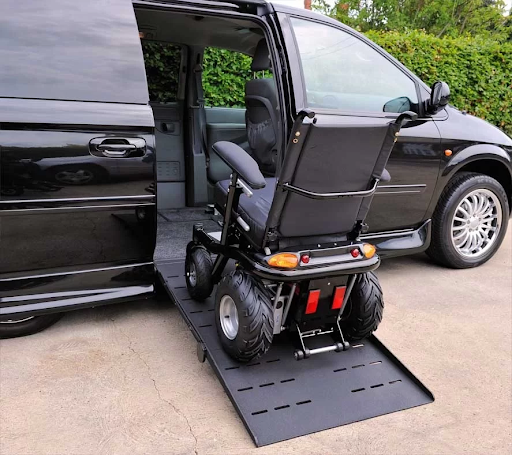
Start by finding a vehicle that suits your specific mobility needs. Whether you require hand controls, a wheelchair ramp, elevated seating, or simply an automatic transmission, the right vehicle makes all the difference.
When sourcing, consider:
-
Adaptability — Can the car be modified for your disability type?
-
Reliability — Japanese and UK imports tend to have strong track records in Kenyan conditions.
-
Running costs — Fuel economy, spare part availability, and service costs in Kenya.
If you're looking to buy a ready-to-drive second-hand car locally while you plan your import, auto24.co.ke lists a wide selection of pre-owned vehicles across Kenya — including models like the Toyota Voxy, Nissan Note, and Honda Fit that are popular among drivers who need easy-access, low-floor cabins. Browsing AUTO24 can also help you benchmark pricing and decide on the right specs before committing to an import.
Step 2: Gather All Required Documents
This is the most critical step. Incomplete documentation is the most common reason applications are delayed or rejected. Here is what you will need:
Identity & Registration Documents
-
Valid NCPWD membership card — You must be officially registered with the National Council for Persons with Disabilities.
-
Copy of your National Identity Card (ID)
Medical & Legal Documents
-
A certified medical report from a registered medical practitioner clearly describing the nature of your disability. This must be certified by a Commissioner of Oaths.
-
Present the original certificate during your physical interview.
Application Letter
-
Write a formal application letter addressed to the Commissioner of Customs & Border Control, requesting a tax exemption under the relevant schedules.
Driving Licence
-
A copy of your driver's licence with the appropriate endorsement — Class H or Class F.
-
If you cannot drive due to visual impairment or any other reason, you are legally permitted to nominate a driver to operate the vehicle on your behalf.
NCPWD Recommendation Letter
-
After reviewing your documents, the NCPWD issues a recommendation letter. Your application is then forwarded to the Kenya Revenue Authority (KRA) via iTax for processing.
Vehicle & Financial Documents
-
Proforma invoice or purchase invoice of the vehicle
-
Bill of Lading (provided upon shipment)
-
Tax compliance certificate, including an income tax exemption certificate
-
Proof of payment — bank statements showing the transaction
Step 3: Conduct a Test Drive at the Port of Entry
Once your vehicle arrives in Kenya, you will be required to conduct a supervised test drive in the presence of a customs officer at the designated point of entry. Approved entry points include:
-
Mombasa Port (main port for sea freight)
-
JKIA (Jomo Kenyatta International Airport, Nairobi)
-
Namanga Border (for road imports from Tanzania)
This test drive is a legal requirement and confirms that the vehicle is suitable for use by a person with a disability.
Step 4: Register Your Vehicle and Take Delivery
After the customs process is complete, the following happens:
-
Vehicle registration plates are processed.
-
An NTSA logbook is issued in your name.
-
The vehicle is delivered to your preferred location — home or a designated pick-up point.
Step 5: Understand the Replacement Policy
The duty-free import benefit is not a one-time-use-only provision — but it does come with rules:
-
You are eligible to replace the vehicle after four (4) years.
-
Before importing a replacement, you must prove disposal of the original vehicle in line with Section 119 of the EAC Customs Management Act, 2004.
-
Keep all records of the original vehicle's sale or transfer — you will need these when applying for the replacement exemption.
Key Government Bodies Involved
Institution
Role
NCPWD
Registers PWDs, issues recommendation letters
KRA (via iTax)
Processes duty exemption applications
Kenya Customs & Border Control
Oversees port entry, test drives, and clearance
NTSA
Issues registration plates and logbook
Tips for a Smooth Duty-Free Import Process
Start your NCPWD registration early. The NCPWD registration process can take time. Do not wait until you have identified a vehicle to begin this step.
Work with an experienced import agent. The paperwork involved in a duty-free import is more complex than a standard vehicle import. Partnering with a specialist who understands both the customs process and PWD regulations will save you time and stress.
Get your medical report certified correctly. A medical report that is not certified by a Commissioner of Oaths — or one from an unregistered practitioner — will be rejected. Double-check this before submission.
Keep copies of everything. From your initial application to the final Bill of Lading, maintain organised records. You will need these for the replacement application in four years.
For more practical driving and vehicle ownership advice tailored to Kenyan roads, explore the full resource library at autoskenya.com — covering everything from car reviews to tips for navigating Nairobi traffic.
Which Vehicles Work Best for Persons with Disabilities?
The right vehicle depends entirely on the nature of your disability. Here are some general guidelines:
For wheelchair users:
-
Vehicles with wide door openings and low floor heights
-
Models that can be adapted with hydraulic ramps or lifts
-
Examples: Toyota HiAce (modified), Volkswagen Caddy
For those with upper limb impairments:
-
Automatic transmission is essential
-
Hand control adaptations (accelerator/brake) are available for most models
-
Examples: Toyota Fielder, Nissan Sylphy
For those with visual impairment (nominating a driver):
-
Comfortable, spacious cabins for longer journeys
-
Good safety ratings
-
Examples: Toyota Prado, Subaru Forester
For lower limb impairments:
-
Left-foot accelerators or hand controls
-
Automatic transmissions
-
Examples: Honda Fit, Toyota Vitz (automatic)
Before committing to an import, it is worth checking auto24.co.ke to compare available models in Kenya. AUTO24 features listings for popular models like the Toyota Probox, Suzuki Alto, and Mazda Demio — some of which are easily adaptable and widely serviced across the country.
Why Get Professional Help for Your PWD Vehicle Import?
Importing a vehicle duty-free as a PWD involves navigating multiple government agencies, preparing complex documentation, and coordinating international logistics. A specialist importer can help with:
-
Legal and tax exemption expertise — Ensuring your application complies with KRA and EAC CMA requirements
-
Global vehicle sourcing — Access to markets in Japan, the UK, South Africa, Dubai, and Australia
-
Customisation consulting — Recommending the best modifications for your specific disability
-
End-to-end support — Handling shipping, clearance, registration, and delivery
For additional automotive insights and guidance, automag.co.ke is another excellent Kenyan resource covering car news, reviews, and ownership advice.
Frequently Asked Questions (FAQs)
Q: Can a family member import a duty-free vehicle on behalf of a person with disability? A: No. The exemption is personal and must be applied for directly by the registered PWD. However, a nominee driver can be assigned if the PWD cannot drive.
Q: Does the exemption apply to both new and used vehicles? A: Yes, the duty-free exemption applies to both new and second-hand imported vehicles, provided all other requirements are met.
Q: What happens if I sell the car before four years? A: Disposal before the four-year period may attract duties and penalties under the EAC CMA. Consult KRA or a customs agent before selling.
Q: How long does the entire process take? A: The timeline varies, but most applicants complete the process within 2 to 4 months from application to delivery, depending on NCPWD and KRA processing times.
Q: Can I import a specially modified vehicle (e.g., with factory-fitted hand controls)? A: Yes. In fact, this is often recommended — factory modifications from countries like Japan or Germany tend to be higher quality and more reliable than locally retrofitted adaptations.
Final Thoughts
The duty-free vehicle import programme for persons with disabilities is one of Kenya's most impactful welfare provisions — but it requires careful navigation. With the right documentation, the right vehicle, and the right support, every eligible Kenyan with a disability can access dignified, affordable transportation.
If you found this guide helpful, share it with someone who might benefit. Do you have questions about the process, or experiences to share? Leave a comment below — your insight could help someone else on this journey.
For more guides on vehicle ownership, driving tips, and automotive news in Kenya, visit autoskenya.com.
Read more:
-
How to Transfer a Car Logbook in Kenya — Step-by-Step
-
Top 5 Most Reliable Second-Hand Cars in Kenya Under KSh 1 Million
-
Understanding KRA Motor Vehicle Import Duty in Kenya