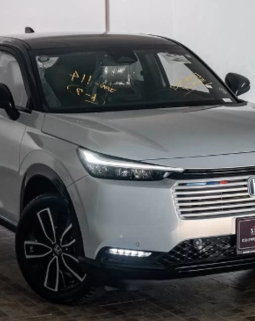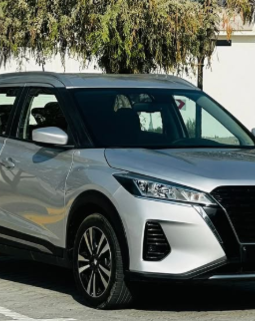

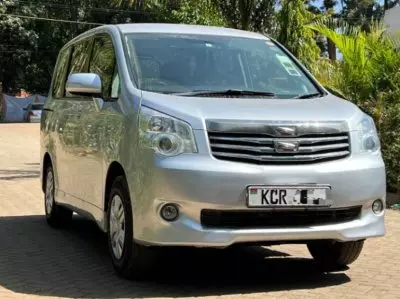
Buying a used minivan in Kenya is one of the smartest financial decisions a family or small business owner can make — if you know what to look for. With Kenyan roads ranging from smooth tarmac in Nairobi's CBD to dusty murram tracks upcountry, a minivan needs to be more than just affordable; it needs to be tough, reliable, and in genuinely good condition.
The problem? Many sellers are skilled at making a tired vehicle look showroom-fresh. That's why this guide exists.
Whether you're eyeing a Toyota Noah, a Nissan Serena, or a Honda Odyssey, the inspection process follows the same proven checklist. Follow it carefully, and you'll avoid the costly mistakes that catch thousands of Kenyan buyers off guard every year.
For more trusted automotive guidance tailored to our roads and driving conditions, check out autoskenya.com — Kenya's go-to resource for car reviews, driving tips, and automotive news.
1. Research the Model Before You Step Outside
Before you even visit the seller, do your homework. Every minivan model has a reputation — good or bad — and knowing it beforehand saves you time and money.
Look up:
-
Reliability scores from consumer reports and owner forums
-
Common mechanical problems for that specific model year
-
Availability of spare parts in Kenya — this is critical
-
Fuel consumption figures and whether they suit your budget
For example, the Toyota Noah is celebrated for its durability and readily available parts across Nairobi, Mombasa, and upcountry towns. The Nissan Serena offers great family space but can have pricier parts depending on the generation.
A quick search on automag.co.ke gives you updated reviews and comparisons of popular minivans available in Kenya, helping you narrow down your shortlist with confidence.
2. Inspect the Exterior Thoroughly
Once you're at the vehicle, start with a slow, deliberate walk around the entire body. Kenyan road conditions — potholes, unpaved roads, and the occasional flood — take a real toll on a vehicle's exterior.
What to check:
-
Rust spots — particularly on the undercarriage, wheel arches, and door sills
-
Dents and scratches — minor ones are expected, but deep body damage may indicate a past accident
-
Paint inconsistencies — mismatched panels or overspray around edges often signal a repaint after a collision
-
Body filler test — run a magnet along the panels. If it doesn't stick firmly, filler has been used to hide dents
"A few scuff marks on a used car are normal. A mismatched door panel is a red flag."
Open and close every door — including the sliding rear doors common in minivans. Check for proper alignment, worn rubber seals, and stiff or loose hinges.
3. Check All Glass, Lights, and Tyres
This step is quick but often skipped.
Glass and mirrors:
-
Check for cracks or chips in the windscreen (replacing it in Kenya is surprisingly expensive)
-
Ensure all mirrors — side and rear — are intact and adjustable
Lights:
-
Test headlights, taillights, indicators, hazards, and reverse lights
-
Malfunctioning lights are both a safety hazard and a police fine waiting to happen
Tyres:
-
All four tyres should be the same brand and size
-
Check the tread depth — even wear across the width is a good sign; uneven wear points to alignment, suspension, or braking issues
-
Heavily worn outer edges suggest aggressive cornering or overloading, common in vehicles used as school vans or shuttle minibuses
4. Evaluate the Interior Carefully
The interior tells the true story of how a vehicle was used. Minivans, especially those previously used for hire (matatu routes or shuttle services), tend to show heavy wear inside.
Key things to assess:
-
Floor mats and carpets — lift them and check for dampness or rust stains beneath (a sign of water leaks)
-
Odour — musty smells indicate mould from flooding or water ingress; smoke smell means the car was driven by a smoker for years
-
Upholstery condition — check all rows of seats for tears, burns, or sagging
-
Seatbelts and airbags — all belts should retract and click properly; confirm airbags have not been deployed and replaced with dummy covers
Sit in the driver's seat and assess visibility, comfort, and ergonomics. Adjust the seat and mirrors. This is where you'll spend most of your time — it should feel right.
Test all controls:
-
Air conditioning (set it to maximum and feel the output)
-
Heater
-
Audio system
-
Windows and sunroof (if applicable)
-
All dashboard warning lights (they should illuminate then go off after starting)
5. Check the Pedals and Engine Start
With the car running, pay attention to the small things:
-
The clutch pedal (for manual) should not feel spongy or excessively stiff
-
Brake pedal should be firm, not sinking toward the floor
-
The accelerator should respond smoothly without hesitation
Start the engine cold if possible — a warm engine can mask certain issues. Listen for:
-
Knocking or rattling on startup
-
Excessive smoke from the exhaust — blue smoke means burning oil, black smoke means rich fuel mixture, white smoke (persistent) can indicate a head gasket problem
-
Rough idle that doesn't smooth out after a few minutes
Check the engine management system (dashboard warning lights). A persistent check engine light deserves explanation from the seller.
6. Open the Bonnet and Inspect the Engine Bay
This is where many buyers get nervous — but a basic engine bay check is straightforward.
Look for:
-
Oil leaks — dark stains on the engine block or underneath the vehicle
-
Coolant condition — should be green or orange, never milky (milky coolant indicates oil contamination, often from a blown head gasket)
-
Greenish stains on the radiator — these point to pinhole coolant leaks
-
Battery terminals — corrosion (white or blue powder) on the terminals reduces performance
-
Hoses and belts — squeeze rubber hoses; they should be firm, not soft or cracked. Belts should have no fraying
"A clean engine bay isn't always good news — some sellers steam-clean engines to hide leaks. Look for fresh oil residue around gaskets and hoses."
7. Take It for a Test Drive
Never buy a used vehicle without driving it — this applies doubly for a minivan which may be heavier and have different handling characteristics than a saloon car.
During the test drive:
-
Drive at various speeds including highway speed if possible
-
Brake firmly at a safe spot to test braking power and ensure the car doesn't pull to one side
-
Steer gently from side to side — clunking or vibration in the steering wheel can indicate worn suspension components
-
Listen for noises — rattling over bumps, squealing brakes, or whining from the transmission are all warning signs
-
Test reverse and all gears for automatic transmission vehicles; observe if gear changes are smooth
Kenyan roads will expose what a highway-only test drive won't — include a rough section if you can.
8. Get a Pre-Purchase Inspection from a Mechanic
This is the most important step that most Kenyan buyers skip — often to their regret.
Once you've done your own check, take the vehicle to an independent, qualified mechanic — not one recommended by the seller. Ask for a full inspection that includes:
-
Underbody check for rust, accident damage, or bent chassis components
-
Diagnostic scan using an OBD reader (common for modern vehicles)
-
Brake system, suspension, and steering assessment
-
Transmission fluid check
The mechanic's report gives you one of three outcomes:
-
The car is in good shape — buy with confidence
-
There are issues but they're minor — negotiate a lower price or ask the seller to fix them
-
There are serious structural or mechanical problems — walk away
A pre-purchase inspection costs between KSh 1,500 and KSh 5,000 depending on the garage — far less than the repairs it could save you from.
9. Battery Condition — The Final Check
Before finalising the deal, check the battery's built-in condition indicator (most modern batteries have a small window on top):
-
Green indicator — battery is healthy
-
Yellow or black indicator — the battery is struggling and may need replacement soon
Factor battery replacement cost (KSh 8,000–15,000 for a quality unit) into your negotiation if the indicator isn't green.
Where to Find Reliable Used Minivans in Kenya
Once you've armed yourself with this checklist, the next step is finding the right vehicle. For a wide selection of inspected, fairly priced second-hand minivans and family cars in Kenya, visit auto24.co.ke. The platform lists vehicles like the Toyota Sienta, Nissan Serena, and Toyota Wish — all popular choices for Kenyan families — with detailed specifications and seller information to help you make an informed decision.
Final Thoughts
Buying a used minivan in Kenya doesn't have to be a gamble. With a structured inspection — from the exterior panels to the engine bay, interior comfort to a professional mechanic's opinion — you dramatically increase your chances of getting real value for your money.
Be patient. Be thorough. Never let urgency from a seller rush your decision.
Have you recently bought a used minivan in Kenya? Share your experience in the comments below — your story could save another buyer from a costly mistake. And if you found this guide helpful, explore more car-buying tips and honest reviews on autoskenya.com.