
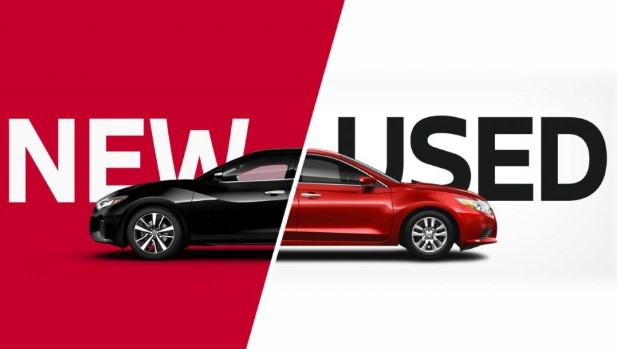
Choosing your next vehicle is a major financial decision, especially in the Kenyan market where car prices are heavily influenced by taxes, importation policies, and currency fluctuations. The eternal question remains: Should you pay the premium for a brand new car in Kenya or secure greater initial value with a quality used car?
This detailed guide breaks down the true financial and practical implications of both choices. We’ll analyze the total cost of ownership (TCO), maintenance, and depreciation to help Kenyan drivers make the most informed decision.
1. The Case for New Cars in Kenya: Peace of Mind Premium
Buying a new car offers a driving experience unmatched by any used vehicle—zero mileage, the latest features, and that distinctive factory smell. While a smaller segment of the market, new car sales are driven by buyers prioritizing assurance and status.
1.1. Pros of Buying New
-
Zero-Mileage Reliability: A new car is free from past owner abuse or hidden mechanical issues, offering superior peace of mind.
-
Comprehensive Warranty: Dealership warranties cover most major and minor repairs for a specified period (often 3 to 5 years). This is your ultimate protection against unexpected bills.
-
Latest Safety and Technology: You get cutting-edge safety features (e.g., advanced airbags, stability control, and driver-assist systems) and modern infotainment.
-
Favourable Financing: Banks and dealerships often offer lower interest rates and more flexible terms for financing new vehicles, lowering your monthly repayments.
1.2. Cons of Buying New
-
Steep Depreciation Hit: This is the single largest financial drawback. New cars in Kenya can lose an estimated 15-20% of their value the moment they leave the showroom. This depreciation rate is often set by KRA’s valuation schedule for duty purposes.
-
Higher Upfront Cost: The initial purchase price is significantly higher due to VAT, Excise Duty, and Import Duty levied on the full value, making it a barrier for most budget-conscious buyers.
-
Expensive Insurance: Comprehensive insurance premiums are calculated based on the vehicle's market value. Since the new car's value is highest, the annual premium will also be at its maximum.
2. The Case for Used Cars in Kenya: Maximising Value
The used car market in Kenya is massive and diverse, driven by the eight-year importation rule and the high demand for reliable, affordable transport. For the vast majority of Kenyan drivers, used Japanese imports are the default choice.
2.1. Pros of Buying Used
-
Avoid Initial Depreciation: The previous owner (often in the export country) absorbed the massive depreciation hit. You are buying the car at a much lower, more stable price point.
-
Lower Insurance Costs: Lower vehicle value translates directly to lower insurance premiums.
-
Wider Selection of Reliable Models: The used market offers access to proven, durable models known to thrive on Kenyan roads, such as the Toyota Vitz, Mazda Demio, and various SUVs. You can find many of these popular second-hand cars, complete with their specifications, on platforms like auto24.co.ke.
-
More Car for Your Money: You can afford a higher trim level or a larger, more powerful vehicle for the same price as a base-model new car.
2.2. Cons of Buying Used
-
History and Maintenance Risk: The biggest gamble is the car's unknown history. Undocumented accidents, poor maintenance, or clocking of the odometer can lead to expensive, unexpected repairs down the line. We strongly recommend getting a pre-purchase inspection (PPI).
-
Older Technology and Features: Used cars, especially the 7-8 year old imports, will lack the latest fuel-efficiency features, safety systems, and infotainment compared to current models.
-
Financing Challenges: Used car loans often carry slightly higher interest rates and require larger deposits than new car financing.
3. Long-Term Financial Comparison: The Total Cost of Ownership (TCO)
The true measure of a car's cost is not just the sticker price but the Total Cost of Ownership (TCO) over five or more years.
3.1. The Critical Depreciation Factor
Depreciation is the key differentiator. A new car costing KES 3.5 million might be worth KES 2.5 million after three years. A well-maintained three-year-old used car bought for KES 1.8 million might only drop to KES 1.3 million in that same period.
"The buyer of the used car saves on the initial KES 1 million depreciation loss. This is the ultimate long-term saving for Kenyan motorists."
The significant depreciation of new cars means that for short-term owners (selling within 3-5 years), buying used provides a far better retention of capital. For deeper analysis of market trends, you can refer to expert reviews and data on automotive sites like automag.co.ke.
3.2. Maintenance and Repair Costs
Cost Category
New Car
Used Car (Japanese Import)
Scheduled Servicing
Expensive (must use dealership)
Affordable (local mechanics)
Unscheduled Repairs
Low (covered by warranty)
Moderate to High (parts are usually cheap and readily available for popular models like the Toyota Fielder)
Spare Parts
Specialist, high-cost parts
Widely available and affordable due to the large import volume
Export to Sheets
While new cars are initially maintenance-free, after the warranty expires, specialized parts and dealership servicing become very costly. Conversely, popular imported used cars (e.g., Nissan X-Trail or Toyota Premio) benefit from a vast and competitive spare parts market in Kenya.
Conclusion: Making the Right Call
The choice between new and used ultimately depends on your budget, risk tolerance, and driving habits.
If your priority is absolute peace of mind, the latest tech, and you plan to keep the car for 8+ years, a new car, despite the heavy depreciation, might be the right choice.
However, for the vast majority of Kenyan drivers, a well-inspected, quality used car offers the best financial advantage. It avoids the devastating initial depreciation, minimizes insurance costs, and leverages the competitive spares market, maximizing your long-term savings and offering superior value for money.
Discover additional tips on securing the best financing rates and reducing your total cost of ownership in our latest article on cost-saving strategies for drivers on autoskenya.com.
What's Your Verdict?
Do you prefer the assurance of a new car or the savings of a used model? Share your car-buying experience and advice in the comments below!