
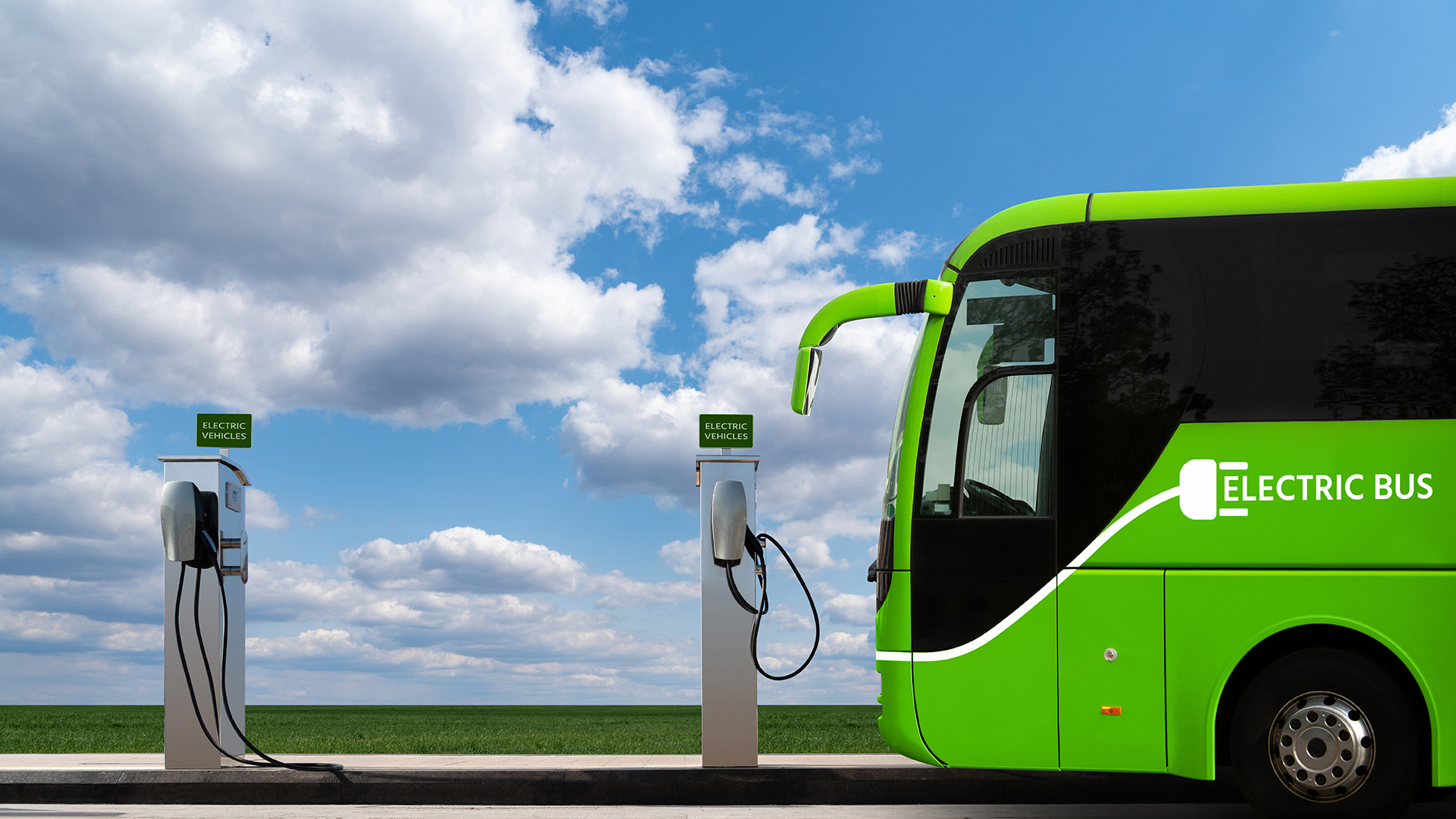
Kenya is rapidly positioning itself as a regional leader in the Electric Mobility Transition, with electric bus projects serving as the vanguard of its shift towards sustainable transport. Driven by the need to combat severe urban air pollution, particularly in Nairobi, and to reduce a crippling fossil fuel import bill, the government has created a supportive policy and fiscal environment. The success of this Electric Mobility Transition is not theoretical; it is already being demonstrated on the crowded urban routes of Nairobi, where electric buses are now a common sight.
This transformation is backed by ambitious national goals: Kenya aims to have 5% of all registered vehicles be electric by the end of 2025, with a long-term vision of reaching 100% EV adoption by 2050.
Policy and Infrastructure: The Engine of Transition
The pivot relies on a cohesive strategy involving major fiscal and infrastructure commitments.
1. Incentives and the E-Mobility Tariff
A key accelerator is the package of Fiscal Incentives designed to make electric public transport affordable. Electric buses and motorcycles benefit from zero VAT rates, removing a major barrier to adoption. Furthermore, the introduction of a special E-Mobility Tariff by Kenya Power has significantly lowered operational costs. Set at a preferential rate of KES 8 per kWh during off-peak hours, this tariff makes running an electric bus substantially cheaper than its diesel counterpart, providing a compelling economic case for the Electric Mobility Transition.
2. Local Assembly and Fleet Expansion
The private sector has responded robustly. Companies like BasiGo, with their innovative "Pay-As-You-Drive" model (which separates the high battery cost from the bus purchase), have been instrumental in Public Transport Electrification. BasiGo, alongside partners like BYD, is pursuing local assembly, aiming to put over 1,000 electric buses into operation in East Africa within a few years. This push for Local EV Assembly creates jobs and mitigates supply chain risks. Other operators, such as OMA Service Limited, have already retired their diesel fleets on certain core Nairobi routes in favour of 100% electric buses, a clear milestone in the Electric Mobility Transition.
Overcoming Roadblocks to Mass Adoption
Despite this rapid progress, the Electric Mobility Transition still faces hurdles. The main challenges include the high upfront cost of electric vehicles (even with incentives), the need for vast expansion of EV Charging Infrastructure beyond major cities, and the development of local technical expertise for maintenance.
To address infrastructure, the government, through NaMATA (Nairobi Metropolitan Area Transport Authority), has sought bids for both electric and hybrid buses for the long-delayed Bus Rapid Transit (BRT) system. This push includes exploring the leasing of buses and the development of a Green Corridor with dedicated lanes and charging parks. Furthermore, recent import regulations, effective from January 2025, require imported used EVs to have a minimum 80% battery capacity, ensuring quality and performance and thereby building consumer trust in the Electric Mobility Transition. For businesses exploring fleet options or sourcing reliable components, accessing global and regional transport information is vital, often found through resources like Auto24.
Kenya's electric bus projects are proving that, with the right mix of policy support, financial innovation, and private-sector action, the Public Transport Electrification can be achieved, leading to cleaner air and a more sustainable economic future.
Which policy do you believe will have the greatest impact on future electric bus adoption in Kenya: the zero VAT rate on buses or the specialized E-Mobility Tariff for charging?