
A quiet transformation is taking place in East Africa as innovators work to bring Kenya electric cars to local roads. Engineers and entrepreneurs are attempting to reshape the country’s auto industry by building the first locally assembled electric vehicles designed specifically for Kenyan drivers.
For decades, Kenya’s vehicle market has depended heavily on imported used cars, mostly from Japan. Today, more than 90% of cars on Kenyan roads are second-hand internal combustion vehicles. This reliance on imports has slowed the growth of domestic car manufacturing and contributed to rising vehicle emissions.
But a new startup aims to change that by making Kenya electric cars affordable and locally assembled.
A startup trying to transform Kenya’s car industry
TAD Motors, a Nairobi-based company, is developing what could become one of the first locally assembled EVs in the country. The project is led by engineer Tadesse Tessema, who previously helped establish automotive ventures in Europe and East Africa.
For many young engineers like Brian Arasa, who now works in marketing at the company, the opportunity to build Kenya electric cars locally feels like a dream that once seemed impossible.
Kenya attempted similar projects in the past. In the 1980s, the government introduced a prototype car called the Nyayo vehicle, but it never entered production due to funding challenges. More recently, Mobius Motors built rugged SUVs designed for African roads but struggled to compete with cheap imported cars and eventually closed.
Building affordable electric vehicles
Unlike earlier attempts at car manufacturing, TAD Motors is focusing on affordability as the key to success. The company plans to launch compact EV models priced around $10,000, making them competitive with imported used vehicles.
The startup believes that making Kenya electric cars cheaper than many imported vehicles could encourage drivers to switch to electric mobility.
To reduce costs, the vehicles use smaller batteries with a driving range of about 150 miles per charge. While this range is lower than that of premium EVs from global manufacturers, company engineers say it fits the typical driving habits of Kenyan motorists.
Research conducted by the company shows that most drivers travel between 50 and 70 kilometers per day, meaning a smaller battery is sufficient for everyday use.
Charging infrastructure remains a challenge
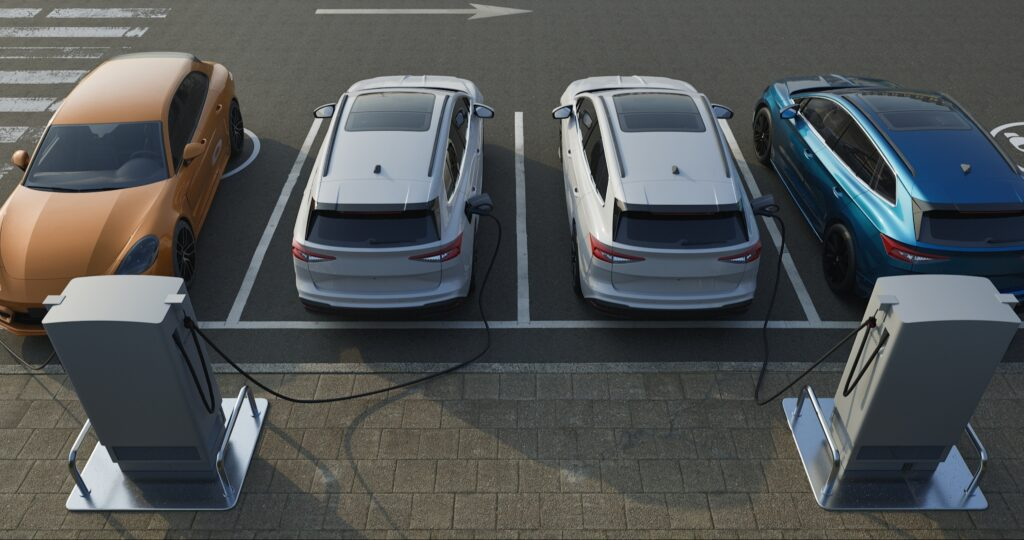
Despite the promise of Kenya electric cars, infrastructure remains a major obstacle. Electric vehicle charging stations are still extremely limited across the country.
Government plans aim to build up to 10,000 charging stations by 2030, but experts believe reaching that target will be difficult. Recent estimates suggest that only a few dozen public charging stations currently exist nationwide.
Power supply concerns
Another challenge is electricity reliability. Kenya occasionally experiences power outages, which could complicate EV charging for drivers.
However, some analysts argue that the growth of Kenya electric cars could actually encourage further investment in renewable energy and charging infrastructure. If EV demand rises, policymakers and private companies may accelerate efforts to expand charging networks.
Local manufacturing and economic opportunity
The company is currently constructing an EV assembly plant near Nairobi. Once fully operational, the facility aims to produce about 3,000 vehicles per year.
If successful, the project could help establish Kenya as an emerging hub for electric vehicle manufacturing in East Africa. It could also create jobs for engineers, technicians, and assembly workers while reducing reliance on imported cars.
The rise of Kenya electric cars could also support the country’s broader climate goals by lowering emissions from gasoline-powered vehicles.
For readers interested in automotive trends and mobility innovations across Africa, platforms like AfricaCarNews regularly highlight key developments shaping the continent’s car industry.
The road ahead for Kenya electric cars
While challenges remain, the push for locally built EVs represents a new chapter for Kenya’s automotive sector. Affordable pricing, local assembly, and growing interest in clean mobility could help the country gradually shift toward electric transport.
If the project succeeds, Kenya electric cars may soon move from experimental prototypes to a common sight on East African roads.
Would you consider buying an affordable electric car built in Africa? Share your thoughts in the comments and join the conversation about the future of EVs on the continent!