
Learn essential DIY car maintenance tips every Kenyan driver should know. Save time and money with these simple, effective fixes.
In Kenya, car ownership is more than a convenience—it's a necessity. Whether you're commuting through Nairobi traffic, traveling upcountry, or navigating rugged terrain, keeping your vehicle in top shape is critical. But frequent trips to the mechanic can be expensive and time-consuming.
The good news? Not every issue requires a trip to the garage. Many maintenance tasks are surprisingly simple and can be done at home with basic tools and a bit of knowledge. This article provides practical, DIY car maintenance tips tailored for Kenyan drivers, helping you save money, enhance safety, and prolong your vehicle’s life.
Let’s dive into simple fixes every driver should know.
Why Every Kenyan Driver Should Learn DIY Car Maintenance
Understanding basic car maintenance empowers you to:
-
Avoid unnecessary repair costs
-
Extend your car’s lifespan
-
Stay safe on the road
-
Make informed decisions at the mechanic
-
Handle emergencies when help isn’t readily available, especially in remote areas
Whether you drive a Toyota Premio in Nairobi or a Nissan X-Trail in Kisii, these DIY skills apply across the board.
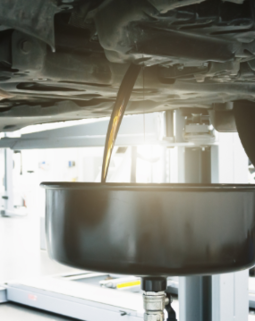
1. Checking and Topping Up Engine Oil
Why it matters: Engine oil lubricates the engine parts, preventing friction and overheating.
How to check:
-
Park your car on level ground.
-
Turn off the engine and let it cool for 5–10 minutes.
-
Pull out the dipstick, wipe it clean, reinsert, then pull it out again to check the oil level and color.
Top it up if: The oil level is below the recommended mark or the oil appears dark and dirty.
Pro tip: Use the oil grade recommended in your car’s manual (e.g., 5W-30 or 10W-40), especially in Kenya's varied climates.
2. Replacing Windshield Wipers
Why it matters: Clear visibility is crucial during Kenya's rainy seasons.
How to fix:
-
Buy wipers that match your vehicle model.
-
Lift the wiper arm, press the release tab, and slide the old blade off.
-
Slide the new blade in until it clicks.
Change your wipers every 6–12 months or when they leave streaks.
3. Checking Tyre Pressure and Tread Depth
Kenyan roads—especially rural or unpaved ones—are harsh on tyres.
Check tyre pressure:
-
Use a pressure gauge (available at petrol stations).
-
Refer to your vehicle’s manual or driver-side door for correct PSI.
-
Inflate or deflate accordingly.
Tread check:
Insert a coin into the tread. If a large part of the coin remains visible, the tread is worn out and unsafe.
Don’t ignore worn tyres—they increase the risk of skidding, especially on wet roads.
4. Changing a Flat Tyre
Flat tyres are common on Kenyan roads due to potholes and sharp debris.
What you need:
-
Spare tyre
-
Car jack
-
Lug wrench
Steps:
-
Secure the car with the handbrake.
-
Place the jack under the vehicle frame.
-
Loosen the lug nuts, lift the car, remove the flat tyre.
-
Mount the spare and tighten the nuts in a star pattern.
Practice this at home so you're ready when it happens on the road.
5. Cleaning or Replacing the Air Filter
Why it matters: A clean air filter improves engine performance and fuel efficiency—critical in Kenya where fuel prices fluctuate.
DIY tip:
-
Locate the air filter under the hood.
-
Remove the cover and inspect the filter.
-
If it's dirty, either clean it with compressed air or replace it entirely.
Check every 10,000 km or as advised in your manual.
6. Changing Headlight or Indicator Bulbs
Poor lighting is a major safety risk, especially during night drives on unlit roads.
How to change:
-
Locate the bulb socket behind the headlight.
-
Twist and remove the old bulb.
-
Insert a new one of the same wattage and type.
Tip: Avoid touching the new bulb’s glass with your fingers—it can shorten its lifespan.
7. Topping Up Coolant
Overheating is a common problem, especially when driving long distances in hot areas like Turkana or Mombasa.
What to do:
-
Wait until the engine cools.
-
Open the radiator cap and coolant reservoir.
-
Fill with a 50/50 mix of coolant and distilled water.
Warning: Never open a hot radiator—it can cause serious burns.
8. Battery Maintenance
Car batteries degrade over time, especially with Kenya’s heat and dusty roads.
DIY checks:
-
Clean terminals using a toothbrush and baking soda solution.
-
Check water levels in unsealed batteries.
-
Use petroleum jelly on terminals to prevent corrosion.
Replace batteries every 3–5 years or when cranking becomes slow.
9. Fixing Minor Paint Scratches
Scratches aren't just cosmetic—they expose the body to rust.
What you need:
-
Touch-up paint
-
Sandpaper
-
Primer
How to fix:
-
Clean and sand the area.
-
Apply primer and let it dry.
-
Apply matching paint in thin layers.
Find paint kits at local auto shops or online.
10. Keeping Your Car Clean
Dust, mud, and grime from Kenyan roads can damage your car’s paint and interior.
Pro tips:
-
Wash your car weekly, especially after off-road travel.
-
Use car wax to protect the paint.
-
Vacuum and wipe down the interior to prevent buildup.
Regular cleaning boosts resale value and driving comfort.
Bonus Tip: Know Where to Get Quality Used Cars and Parts
When maintaining or upgrading your car, buying quality parts is essential.
👉 For trusted second-hand cars in Kenya, visit auto24.co.ke—a leading marketplace for pre-owned vehicles. You'll find options like the Mazda Demio, Toyota Fielder, and Honda Fit, all well-suited for Kenyan roads.
Safety First: When to Visit a Mechanic
While DIY fixes are great, some issues should be left to professionals:
-
Persistent check engine lights
-
Transmission problems
-
Brake failures
-
Suspicious engine noises
Don’t gamble with safety. If unsure, consult a qualified mechanic.
Internal Resources to Boost Your Maintenance Knowledge
For more useful guides and tips tailored to Kenyan drivers, explore:
Or check out Automag Kenya, another great resource for Kenyan car enthusiasts.
Conclusion: Be a Smart, Safe & Self-Reliant Driver
DIY car maintenance isn’t just about saving money—it’s about understanding your car, boosting safety, and being proactive. From simple oil checks to replacing wiper blades, these tasks are well within reach for every driver.
Embrace the DIY spirit and take charge of your car’s well-being today. And if you’re looking for a reliable car to start with, remember—auto24.co.ke offers a wide variety suited for every budget and lifestyle.
Have a tip or story about maintaining your car in Kenya? Share it in the comments below. Let’s keep Kenyan roads safer—one DIY fix at a time.